The Microbiome Diet Plan: Healing Your Gut
AI Nutrition Team
AI Meal Recipe Generator
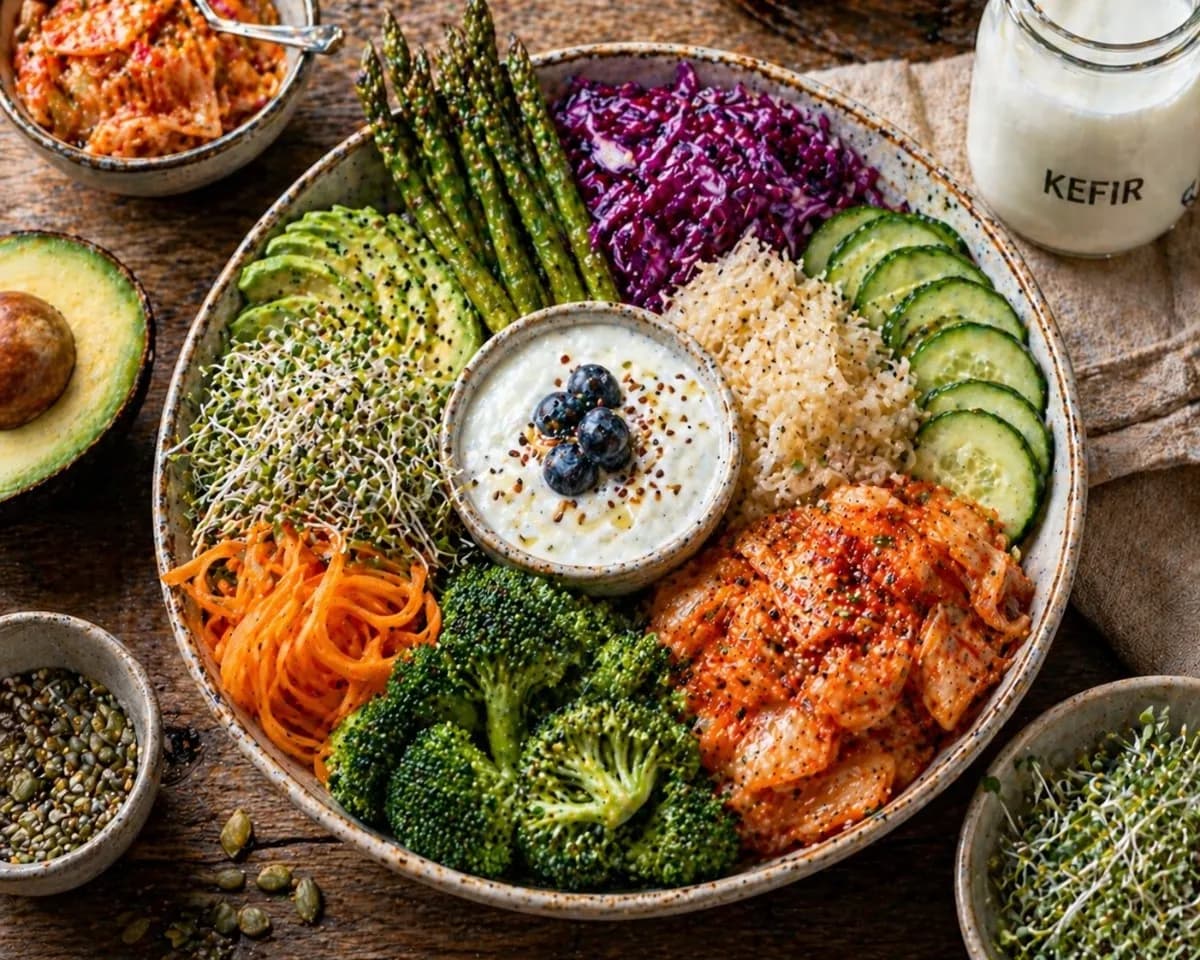
You are only 10% human; the rest is your microbiome. This gut-healing diet plan focuses on 'gardening' your internal ecosystem through prebiotics, probiotics, and the 'Rule of 30' plant diversity strategy.
Did you know that you are only about 10% human? The rest of your "identity" is comprised of trillions of bacteria, fungi, and viruses that live on and within you—collectively known as the microbiome. This internal ecosystem is not just a "passenger" in your life; it is the master control center for your health.
Your gut microbiome regulates your immune system, produces 90% of your serotonin (the "happy" hormone), and dictates how your body stores fat and processes blood sugar. When this ecosystem is out of balance (a state called dysbiosis), it can lead to everything from chronic bloating and autoimmune issues to brain fog and stubborn weight gain.
A **microbiome diet plan** is a strategy to "garden" your internal terrain. By removing the chemicals that kill good bacteria and flooding your system with the specific fibers they need to thrive, you can reclaim your metabolic and mental health. This **gut microbiome diet plan** is a deep-dive into the art of **healing the gut microbiome**. Whether you need a **microbiome meal plan** for energy or a **diet for healthy gut microbiome** support, this guide provides the roadmap.
The Science of the Vagus Nerve: Your Gut-Brain Highway
The connection between your gut and your brain is not just "metaphorical." They are physically connected by the Vagus Nerve—the longest nerve in the autonomic nervous system. This is a two-way superhighway where your bacteria are constantly "texting" your brain. In fact, 80-90% of the fibers in the vagus nerve are "afferent," meaning they carry signals *from* the gut *to* the brain.
When your microbiome is in a state of dysbiosis, your bacteria can send signals that trigger anxiety, depression, and intense sugar cravings. Conversely, a healthy **gut microbiome diet plan** promotes the growth of bacteria that produce GABA and Serotonin, signaling to the brain that "all is well." This is why many people on a **microbiome meal plan** report a profound sense of mental calm and the cessation of "food noise" within just a few weeks. You aren't just healing your digestion; you are healing your mind.
Short-Chain Fatty Acids (SCFAs): The Currency of Health
When your beneficial bacteria ferment the fibers you eat, they produce "waste products" called Short-Chain Fatty Acids (SCFAs), specifically Butyrate, Acetate, and Propionate. These are not waste at all; they are the primary fuel source for the cells lining your colon.
Butyrate, in particular, is a powerful anti-inflammatory agent. It helps maintain the "Tight Junctions" of your gut wall, preventing "leaky gut" (endotoxemia). Furthermore, SCFAs enter the bloodstream and travel to the liver and brain, where they help regulate appetite and insulin sensitivity. This is the core mechanism of **healing the gut microbiome**: you provide the fiber, the bacteria provide the SCFAs, and the SCFAs provide the health. Without adequate fiber, your bacteria will actually begin to eat the protective mucus lining of your gut for fuel—a situation you want to avoid at all costs.
The Three Pillars of the Microbiome Diet
Healing the gut is not just about taking a probiotic pill. It requires a fundamental shift in how you "feed your friends" downstairs.
1. Remove (The Microbiome Assassins)
Before you can build a healthy "garden," you must stop the "weeds." Artificial sweeteners (like aspartame and sucralose) have been shown to alter the microbiome in just 48 hours. Emulsifiers (found in "creamy" processed foods) can eat away at the protective mucus lining of your gut, leading to "leaky gut."
2. Repair (The Mucosal Barrier)
To heal the gut lining, your body needs specific building blocks like Collagen, L-Glutamine, and Zinc-Carnosine. Bone broth and aloe vera juice are excellent traditional tools for repairing the "tight junctions" of the intestinal wall.
3. Restore (The Diversity Rule)
The single most important predictor of a healthy microbiome is the *diversity* of plant foods you eat. High-diversity microbiomes are more resilient to disease and stress. Aim for at least 30 different species of plants per week (including herbs, spices, nuts, and seeds).
Prebiotics vs. Probiotics
The Microbiome "Super-Foods"
Incorporate these three groups into your **microbiome meal plan** for maximum impact:
- Fermented Foods (The Probiotics): Sauerkraut, Kimchi, Kefir, Miso, and Tempeh. These provide the "live" help your gut needs.
- Polyphenol-Rich Foods (The Pigments): Dark berries, red cabbage, purple carrots, and 85% dark chocolate. Polyphenols are specialized "prebiotics" that support the growth of beneficial species like *Akkermansia*.
- Resistant Starch: Cooked and then cooled potatoes or rice. This starch "resists" digestion in your small intestine and makes it all the way to your colon to feed the "good guys."
7-Day Sample: Microbiome Healing Plan
This plan focuses on "crowding out" the bad bacteria by saturating the system with diverse fibers and fermented foods.
Day 1: Diversity Kickstart
Aiming for 10 different plant species in the first 24 hours.
- BreakfastSmoothie with spinach, blueberries, flax seeds, hemp hearts, and unsweetened coconut yogurt.
- LunchLentil Soup with garlic, onions, carrots, celery, and a side of Raw Sauerkraut.
- DinnerBaked Salmon with a large side of "Rainbow" roasted vegetables (Red cabbage, Brussels sprouts, and Sweet potatoes).
- SnackA handful of raw walnuts and 1oz dark chocolate.
Day 2: The Resistant Starch Reset
Using "cooled" carbs to feed the deep-gut bacteria.
- BreakfastTwo poached eggs on a bed of sautéed kale and sliced tomatoes. Side of 1/2 avocado.
- LunchPotato Salad (made with cooled, boiled potatoes, avocado-oil mayo, and fresh dill). Add 4oz grilled chicken.
- DinnerTempeh (fermented soy) stir-fry with broccoli, bok choy, and ginger over "cooled" brown rice.
- SnackCelery sticks with 1 tsp almond butter.
Day 3: Polyphenol Power
Focusing on dark pigments to support Akkermansia growth.
- BreakfastChia seed pudding made with full-fat coconut milk and topped with blackberries and raspberries.
- LunchMixed Green Salad with grilled shrimp, pumpkin seeds, and a pomegranate vinaigrette.
- DinnerGrass-fed Beef Burgers (no bun) topped with caramelized onions and a large side of roasted purple carrots.
- Snack1/2 cup Kefir (dairy or coconut based).
The "Die-Off" Effect
Day 4: Repair and Soothe
Incorporating collagen and bone broth for gut lining integrity.
- BreakfastTwo scrambled eggs with smoked salmon and a side of sautéed mushrooms.
- LunchLarge bowl of Bone Broth with added shredded chicken and zucchini noodles.
- DinnerBaked White Fish (Cod) with roasted asparagus and a large side of kimchi.
- Snack1 medium apple (with skin) and 5-6 almonds.
Day 5: Prebiotic Saturation
Flooding the gut with the specific fibers bacteria crave.
- BreakfastSautéed Asparagus and Leeks (prebiotic heavyweights) topped with two fried eggs.
- LunchMediterranean Chickpea Salad with cucumbers, olives, parsley, and lemon-tahini dressing.
- DinnerRoasted Chicken Thighs with a large side of "Jerusalem Artichoke" (Sun-choke) mash and green beans.
- Snack1oz turkey jerky (sugar-free).
Day 6: The Weekend Ferment
Exploring diverse fermented options.
- BreakfastCoconut Yogurt with 1 tbsp ground flax seeds and 1/4 cup blueberries.
- LunchLeftover Roasted Chicken over a massive garden salad with added Miso dressing.
- DinnerGrilled Steak with roasted Brussels sprouts and a side of "cooled" Quinoa.
- SnackHandful of raw pistachios.
Day 7: Summary and Renewal
Refining your diversity count for the next week.
- BreakfastAvocado Toast on grain-free bread topped with two poached eggs and a sprinkle of hemp hearts.
- LunchLarge bowl of Lentil Soup with added kale and a side of sauerkraut.
- DinnerBaked Salmon with roasted zucchini and a large colorful salad.
- NoteCongratulations! Count how many unique plant species you ate this week.
Foods that Damage the Gut Microbiome
To maintain a healthy gut, you must avoid the "Microbiome Assassins":
- Ultra-Processed Emulsifiers: Check labels for Polysorbate 80 and Carboxymethylcellulose. These "detergent-like" chemicals can thin your gut lining.
- Chlorinated Water: Chlorine is designed to kill bacteria in pipes; it can also kill the bacteria in your gut. Use a high-quality water filter.
- Unnecessary Antibiotics: While sometimes life-saving, antibiotics are a "nuclear bomb" for your gut. If you must take them, always follow up with a high-dose probiotic protocol.
- Chronic Alcohol: Increases "intestinal permeability" (leaky gut) and reduces the diversity of your beneficial species.
Using AI to Track Your Microbiome Diversity
The biggest challenge of a **gut microbiome diet plan** is the "Rule of 30." Most people default to the same 5-10 vegetables every week, which leads to a "monoculture" in their gut.
The AI Meal Recipe Generator was built to solve the "Diversity Problem." You can tell the app: "I"ve already eaten 15 plant species this week, give me 5 recipes for the rest of the week that use *new* species I haven"t tried yet." The AI will suggest creative ways to use leeks, jerusalem artichokes, jicama, and purple carrots, ensuring your microbiome stays as diverse and resilient as a tropical rainforest.
Stop guessing what's for dinner
Join thousands of others turning whatever is in their fridge into delicious, macro-friendly meals in under 30 seconds.
Frequently Asked Questions (FAQ)
Do I need to take a probiotic supplement?
While whole-food ferments (like sauerkraut and kefir) are superior because they contain a wider variety of strains and the "prebiotic" food they need to survive, a high-quality multi-strain probiotic can be a helpful "jumpstart" for someone with severe dysbiosis. Look for "spore-based" or "soil-based" probiotics (SBOs), as they are more likely to survive the journey through your stomach acid.
Is raw honey okay on a microbiome diet?
Yes, in moderation. Raw honey contains over 200 different compounds, including specialized polyphenols and enzymes that act as prebiotics. However, because it is still a sugar, it should be limited to 1-2 teaspoons a day to avoid feeding pathogenic yeasts like Candida.
How long does it take to change my microbiome?
While your microbiome begins to shift within 24 hours of a dietary change, it takes about 3-6 months of consistent effort to "crowd out" old, harmful populations and establish a new, stable, and diverse ecosystem. This is a lifestyle shift, not a quick fix.
Explore more in Lifestyle & Specialty Diets
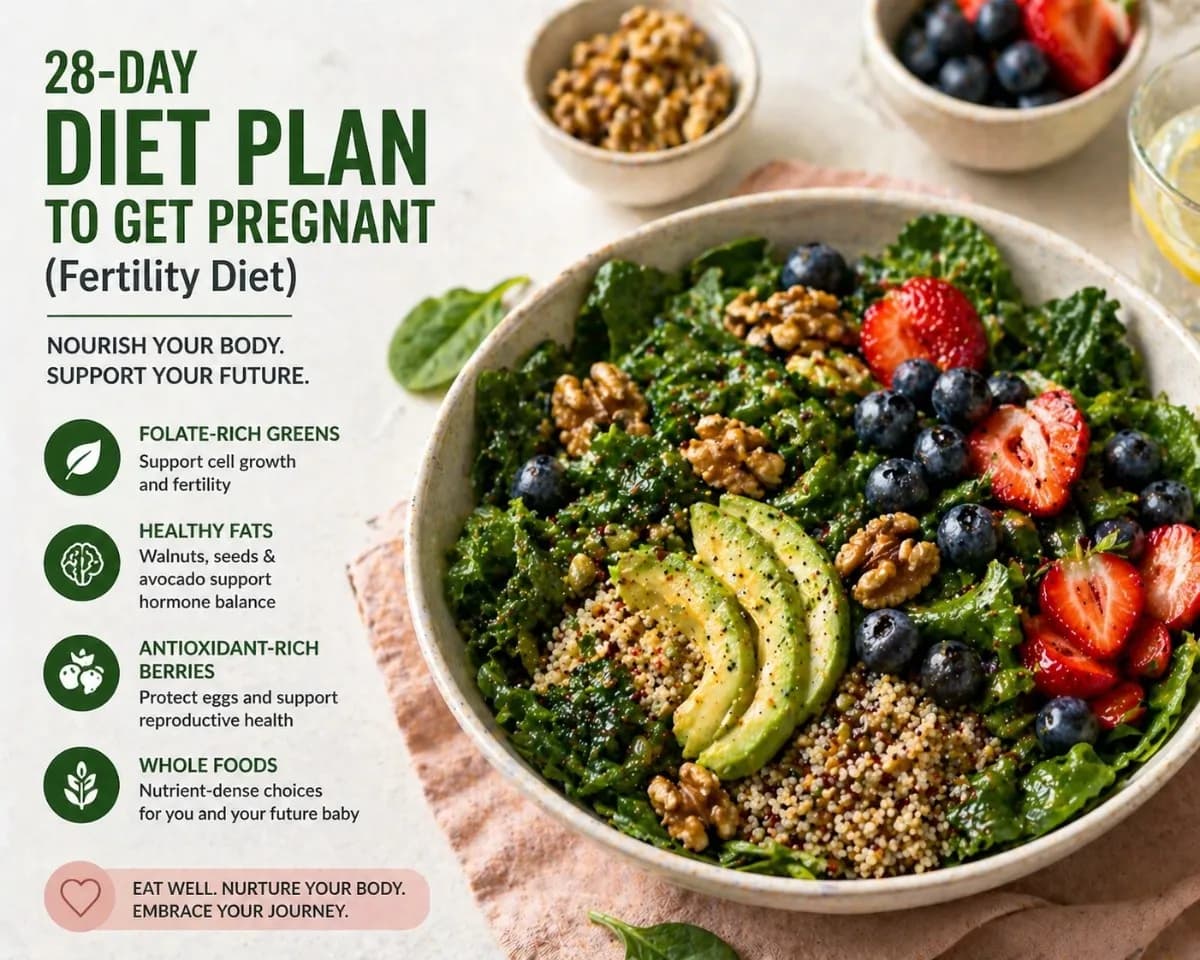
- 28-Day Diet Plan to Get Pregnant (Fertility Diet)Conception is a delicate hormonal dance. This 28-day fertility diet plan uses cycle-syncing nutrition to improve egg quality, balance hormones, and prepare your body for a healthy pregnancy. Based on the latest nutritional research for reproductive health.
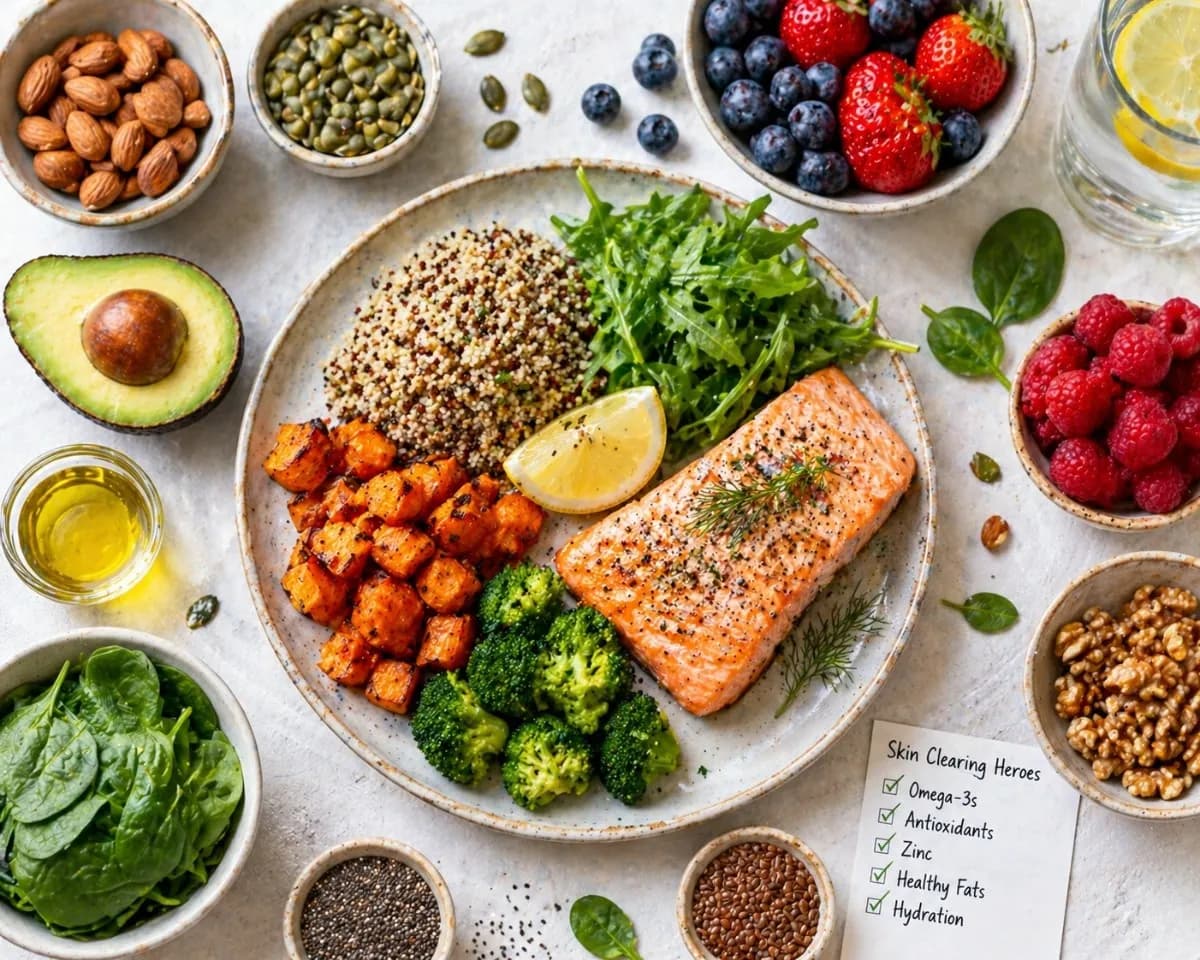
- Acne Free Diet Plan: 30 Days to Clearer SkinStop masking breakouts and start healing from the inside out. This 30-day anti-acne diet plan focuses on the 'Gut-Skin Axis,' removing hormonal triggers like sugar and dairy while flooding your body with skin-clearing zinc and Omega-3s.
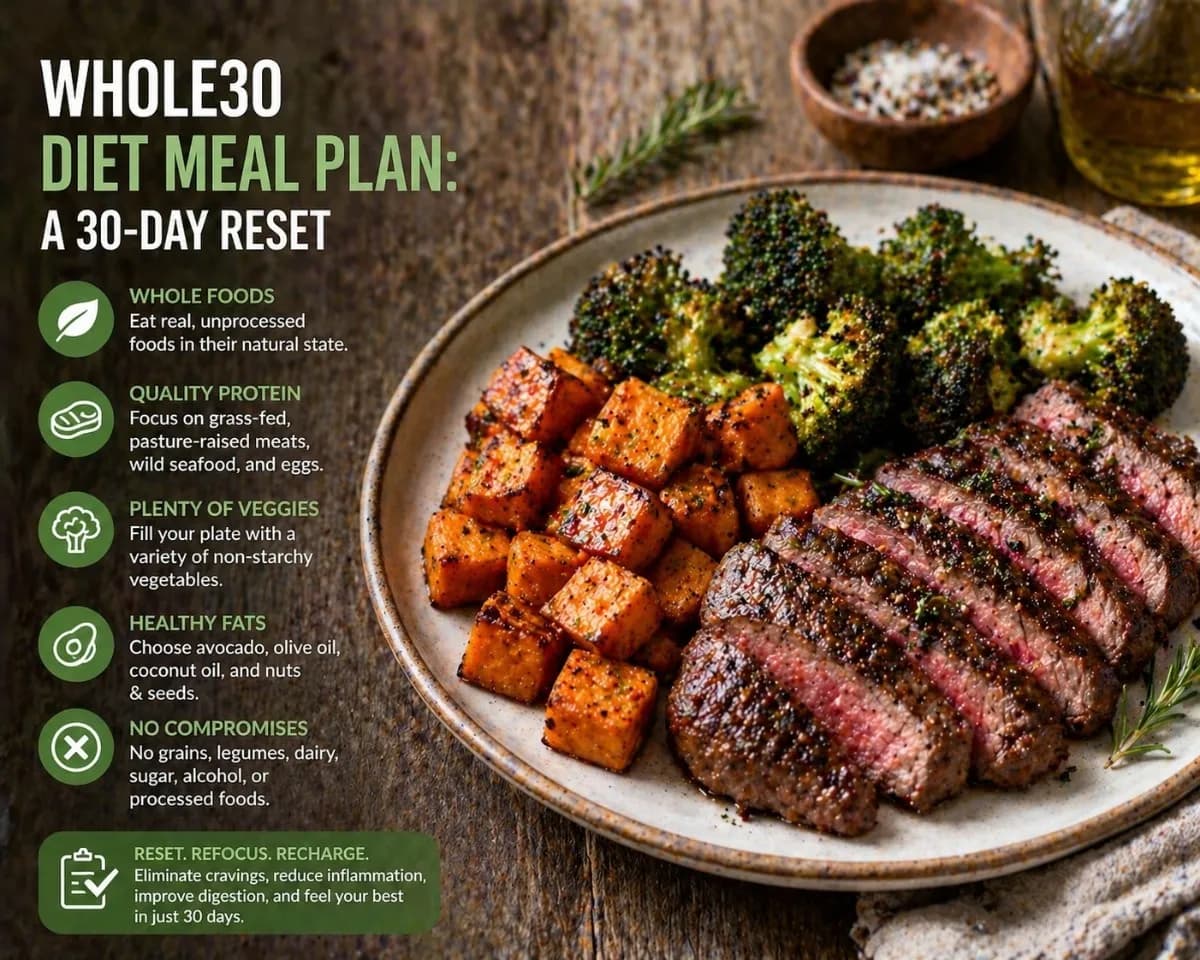
- Whole30 Diet Meal Plan: A 30-Day ResetReady for a complete nutritional reset? The Whole30 isn't a weight loss diet; it's a 30-day experiment in 'Food Freedom.' Learn how to eliminate inflammatory triggers and reclaim your energy with this comprehensive beginner's guide.
- Animal-Based Diet Meal Plan: The Modern Hunter-GathererIs the 'Meat and Fruit' strategy the ultimate human diet? Explore the Paul Saladino-style animal-based protocol, focusing on ruminant meats, organ-nutrient density, and seasonal fruits while removing plant defense chemicals.
Conclusion: Gardening for Life
Your gut microbiome is a garden. It requires the right "soil" (nutrients), the right "seeds" (probiotics), and a lack of "pesticides" (processed chemicals).
By following this **microbiome diet plan**, you are becoming the architect of your own internal ecosystem. Be patient. It takes months, not days, to truly rewrite the genetic makeup of your bacterial friends. But as you do, you will find that your cravings change, your mood stabilizes, and your energy returns. Your gut is the root of your health—feed it well, and the rest of you will flourish!