The Complete 7-Day GERD Diet Plan: Your Step-by-Step Guide to Relief
AI Nutrition Team
AI Meal Recipe Generator
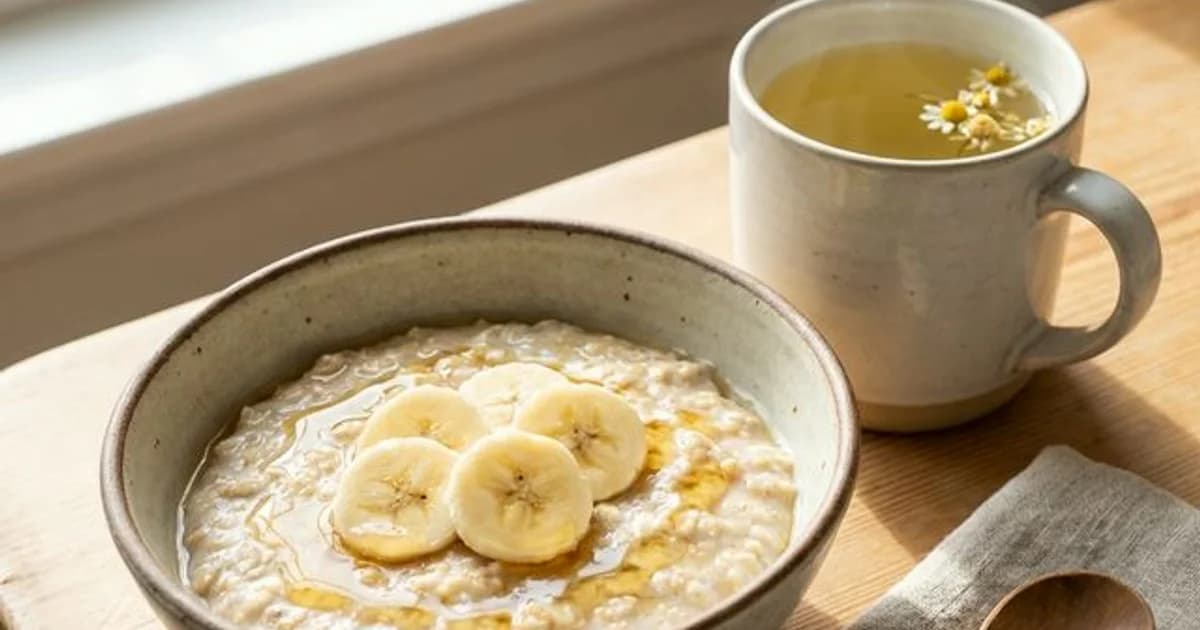
If you're dealing with GERD or chronic acid reflux, you know how frustrating dinner time can be. We've built a gentle, soothing 7-day GERD diet plan to help reduce inflammation, give your esophagus a break, and finally let you enjoy eating again without the burn.
If you're dealing with Gastroesophageal Reflux Disease (GERD), you already know how exhausting mealtime can become. You sit down to a plate of food, wondering if what you're about to eat will trigger that familiar, heavy burning in your chest. Coffee? Gone. Spicy tacos? A distant memory. Even that innocent-looking peppermint tea your friend suggested might be making things worse.
But managing acid reflux shouldn't mean eating bland, joyless meals for the rest of your life. It simply means understanding your specific triggers and leaning on foods that actively soothe your digestive tract.
We've designed this comprehensive 7-day GERD diet plan to give your esophagus a much-needed break from the acid assault. By following a structured week of high-alkaline, low-acid, and easy-to-digest recipes, you can start healing that inflammation while actually looking forward to your meals again.
Understanding the GERD Diet: Rules of Engagement
Before jumping into the meal plan, we need to cover the ground rules. GERD is highly individual — what triggers a flare-up in one person might be entirely fine for someone else. However, clinical dietitians and gastroenterologists universally agree on a few common dietary culprits that relax the lower esophageal sphincter.
Do Not Touch During Healing
- Tomatoes & Citrus: Even a squeeze of lemon on your fish. Highly acidic and immediately irritating.
- Chocolate & Peppermint: Both contain compounds that relax your esophageal sphincter, allowing acid to splash up.
- Caffeine & Alcohol: Coffee, tea, and wine increase stomach acid production and irritate the lining.
- High-Fat & Fried Foods: Fat delays digestion. The longer food sits in your stomach, the higher the chance of reflux.
- Spicy Food, Garlic & Onions: Notorious irritants. Keep flavor profiles incredibly gentle during this 7-day reset.
Your New Best Friends
- Oatmeal & Whole Grains: Oats are phenomenal at absorbing excess stomach acid.
- Lean Proteins: Skinless chicken, ground turkey, tofu, and white fish are easy to digest.
- Alkaline Vegetables: Root vegetables, green beans, asparagus, broccoli, and cauliflower.
- Non-Citrus Fruits: Bananas, melons, apples, and pears provide natural sweetness without the acid.
The Overeating Trigger
The 7-Day GERD Diet Meal Plan
Day 1: The Gentle Reset
Today is all about stabilizing your stomach environment. Leaning heavily on oats and lean poultry.
- BreakfastComforting Banana Oatmeal. Cook rolled oats with almond milk. Top with a sliced, ripe banana and a tiny pinch of salt. No cinnamon yet, as spices can occasionally irritate.
- LunchSoothing Turkey Wrap. Whole-wheat wrap, lean deli turkey, cucumber slices, and a smear of plain avocado.
- DinnerBaked Chicken Breast with Roasted Sweet Potatoes. Season simply with salt and fresh herbs like basil or parsley.
- SnackA handful of almonds.
Day 2: Hydration and Healing
Focusing on water-rich foods to ensure proper digestion without bogging down the stomach.
- BreakfastMelon and Tofu Smoothie. Blend silken tofu, cantaloupe, and almond milk. The high water content of the melon and protein from the tofu make this highly alkaline and gentle.
- LunchLeftover Baked Chicken with a side of steamed green beans.
- DinnerBaked White Fish (cod or tilapia) served over quinoa, alongside steamed asparagus. Season the fish with dill and coarse sea salt.
- SnackSliced pear.
Day 3: Introducing Complex Carbs
Complex carbohydrates keep you full and absorb excess acid.
- BreakfastOatmeal topped with a dollop of pure maple syrup and unsweetened almond butter.
- LunchQuinoa Bowl with hard-boiled eggs, shredded carrots, and cucumber. Dress with a tiny bit of olive oil and salt — no vinegar.
- DinnerMild Ground Turkey and Root Veggie Skillet. Sauté ground turkey, diced carrots, parsnips, and zucchini. Flavor with a pinch of salt and fresh rosemary.
- SnackPlain rice cakes with a thin layer of natural peanut butter.
Day 4: Mid-Week Momentum
By now, you should hopefully be feeling a reduction in the typical post-meal chest tightness.
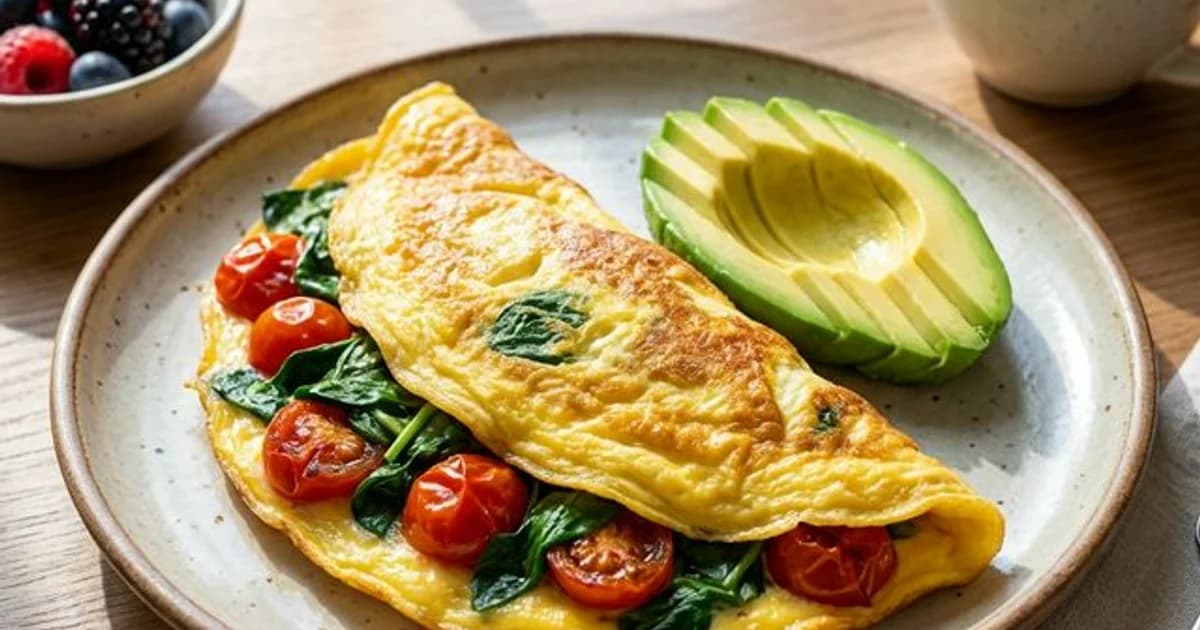
- BreakfastScrambled egg whites with spinach, served with a piece of whole-grain toast.
- LunchLean chicken salad. Mix diced cooked chicken breast with a small amount of plain, low-fat Greek yogurt, celery, and salt. Eat with whole-grain crackers.
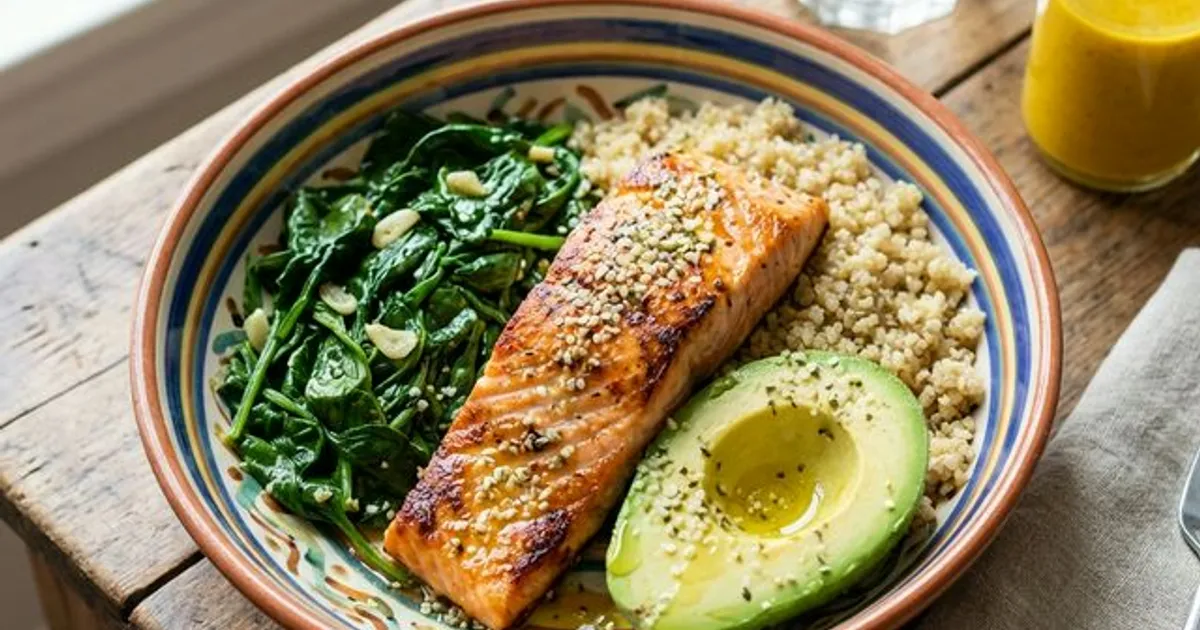
- DinnerBaked Salmon served with a large helping of roasted cauliflower and broccoli florets.
- SnackA ripe banana.
Day 5: Plant-Based Ease
Giving your digestive system a break from breaking down meat.
- BreakfastOvernight oats prepped with oat milk, chia seeds, and a handful of walnuts.
- LunchSmashed chickpea sandwich. Mash rinsed canned chickpeas with a tiny bit of olive oil, salt, and fresh parsley. Serve on whole-grain bread with lettuce.
- DinnerBaked Tofu Steaks with mashed potatoes (use almond milk and a tiny bit of olive oil for the mash) and steamed green beans.
- SnackWatermelon chunks or honeydew.
Day 6: The Comfort Food Day
Yes, you can have comfort food on a GERD diet — provided you make smart substitutions.
- BreakfastWhole-wheat pancakes topped with pure maple syrup and sliced apples.
- LunchMild Chicken Noodle Soup. Use a gentle chicken broth, shredded chicken breast, carrots, celery, and egg noodles.
- DinnerGround Turkey Meatballs mixed with breadcrumbs, egg whites, and fresh basil. Baked, not fried. Serve over plain pasta with a little olive oil and parmesan — tomato sauce is out.
- SnackA small serving of plain oatmeal.
Day 7: Maintaining the Balance
Wrapping up the week with balanced, highly alkaline meals.
- BreakfastSmoothie bowl made from blended banana, almond milk, and a scoop of vanilla plant-based protein powder.
- LunchLeftover Turkey Meatballs and pasta.
- DinnerGrilled Chicken paired with a large serving of roasted root vegetables (carrots, sweet potatoes, and beets).
- SnackA handful of walnuts.
Beyond the Food: Crucial Lifestyle Adjustments for GERD
It's entirely possible to follow this 7-day GERD diet plan perfectly and still experience acid reflux if you ignore the mechanics of digestion.
The Three-Hour Rule
Never lie down within three hours of eating. This gives your stomach adequate time to empty its contents into the small intestine. If you go to sleep with a full stomach, gravity is no longer keeping the acid down.
Sleep on an Incline
If nighttime reflux is your primary issue, propping yourself up on standard pillows won't cut it. You need a medical wedge pillow that elevates your entire upper torso, or place blocks under the headboard to create a gentle incline.
Eat Smaller, More Frequent Meals
A heavily distended stomach places immense upward pressure on the esophageal valve. Instead of three massive meals, break your food down into four or five smaller sittings.
How AI Can Take the Stress Out of a GERD Diet
Navigating a GERD-friendly diet day after day requires an exhausting amount of label-reading and ingredient-checking. Onion powder hides in almost every pre-packaged broth. Tomato paste is everywhere. When you're dealing with chronic acid reflux, you simply want someone to hand you a plate of food and say, "eat this, it won't hurt."
The AI Meal Recipe Generator removes this entirely. Input exactly what you cannot eat, tell the AI what's in your fridge, and get a safe, delicious recipe in under thirty seconds.
Stop guessing what's for dinner
Join thousands of others turning whatever is in their fridge into delicious, macro-friendly meals in under 30 seconds.
Explore more in Medical & Healing Diets
- The Ultimate 7-Day Anemia Diet Plan: Naturally Boost Your IronConstantly feeling freezing cold, dizzy, and exhausted? Iron deficiency anemia drains your vitality. We've built an incredibly effective 7-day anemia diet plan to maximize your iron absorption, restore your red blood cells, and finally give you your energy back.
- The Ultimate 7-Day Diet Plan for Hashimoto's DiseaseManaging Hashimoto's thyroiditis means actively lowering inflammation and supporting your thyroid with the right nutrients. We've built a 7-day Hashimoto's diet plan that removes common autoimmune triggers while keeping your meals absolutely delicious.
- The Ultimate 7-Day PCOS Diet Plan (Printable PDF Included)Polycystic Ovary Syndrome (PCOS) is fundamentally driven by insulin resistance and systemic inflammation. This comprehensive 7-day PCOS diet plan focuses on stabilizing blood sugar, lowering androgens, and reducing stubborn belly fat with delicious, macro-balanced meals.
- The Safest Acute Pancreatitis Diet Plan for RecoveryRecovering from an acute pancreatitis attack is terrifying and painful. Your pancreas needs absolute rest. We've compiled the safest, most thoroughly researched acute pancreatitis diet plan to help you transition from clear liquids back to solid food without triggering another flare-up.
Final Thoughts on Your Path to Healing
Living with GERD requires a fundamental shift in how you approach food, but it absolutely does not mean a life of culinary misery. This 7-day GERD diet plan is your starting line. Use it to calm the inflammation, observe how your body reacts to the removal of major triggers, and allow your esophagus the grace period it desperately needs to heal.
Once your symptoms are consistently under control, you can slowly, methodically begin reintroducing foods one at a time to determine your true personal threshold. Lean on gentle grains, lean proteins, alkaline vegetables, and smart meal planning to reclaim your comfort. You've got this.