The Menopause Diet 5-Day Plan to Lose Weight (Printable PDF)
AI Nutrition Team
AI Meal Recipe Generator
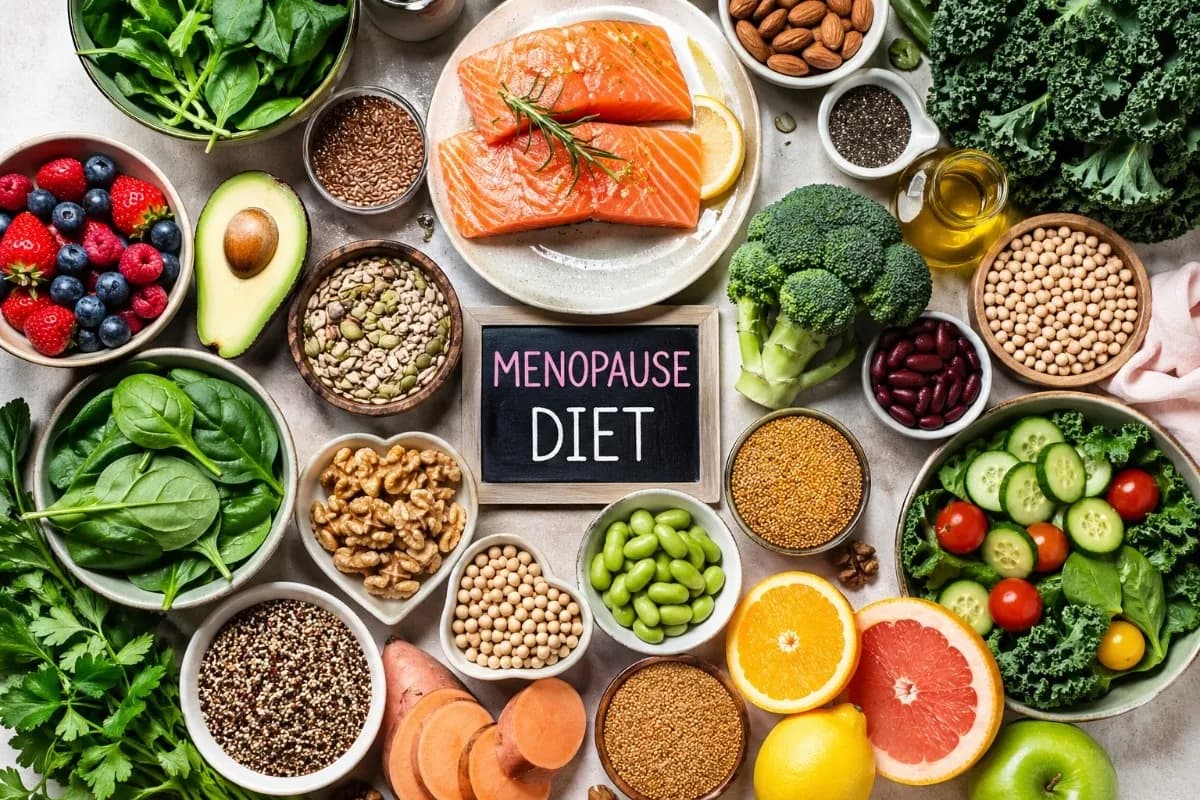
Menopause feels like a metabolic betrayal, but it's actually a hormonal shift that requires a new strategy. This 5-day menopause diet plan is designed to stabilize blood sugar, protect muscle mass, and help you lose weight while working with your body's changing biology.
If you've reached that stage of life where your favorite jeans suddenly feel like a torture device, you aren't alone. For many women, menopause feels like a metabolic betrayal. You haven't changed your eating habits, you're still hitting the gym, yet the "menopause middle" seems to appear overnight.
The truth is, the old rules of "calories in vs. calories out" don't just stop working during menopause—they often backfire. As your estrogen levels plummet, your body becomes more sensitive to insulin and more prone to storing fat, particularly around the midsection. This isn't a failure of willpower; it's a biological shift that requires a strategic, hormonal-focused approach.
This **the menopause diet 5 day plan to lose weight** is designed to work *with* your changing biology, not against it. We're focusing on stabilizing blood sugar, preserving lean muscle mass, and reducing the systemic inflammation that often spikes during this transition. Whether you're looking for a **free menopause diet plan to lose weight** or a **printable menopause diet plan pdf** guide, this protocol provides the foundation you need to reclaim your metabolic health.
Why Traditional Diets Fail During Menopause
Most weight loss advice is geared toward 25-year-old men with high testosterone and massive muscle mass. When a woman in perimenopause or menopause follows the same "eat less, move more" advice, her body often responds by slowing down the metabolism even further.
The Estrogen-Insulin Connection
Estrogen is a powerful metabolic regulator. When it drops, your body's ability to handle carbohydrates diminishes. You become "metabolically brittle," meaning even healthy carbs like oatmeal can cause a larger insulin spike than they used to. Since insulin is your primary fat-storage hormone, those spikes lead directly to weight gain.
The Threat of Sarcopenia (Muscle Loss)
During menopause, women can lose up to 1% of their muscle mass per year. Muscle is your primary metabolic engine—it's what burns calories even while you sleep. If you cut calories too low without prioritizing protein, your body will burn muscle for fuel instead of fat, leaving you "skinny fat" and even more metabolically compromised.
Avoid Extreme Calorie Deficits
The Core Pillars of Your Menopause Meal Plan
To lose weight effectively during this transition, we must pivot our focus. This isn't just a **menopause weight loss diet**; it's a hormone-balancing protocol.
1. Prioritize High-Quality Protein
Aim for at least 25-30 grams of protein at every single meal. Protein has the highest thermic effect of food (it takes more energy to digest) and is essential for maintaining that precious muscle mass. Think pasture-raised eggs, wild-caught fish, grass-fed beef, and high-quality collagen.
2. The Fiber Anchor
Fiber is your best friend for estrogen detoxification. Your liver filters out "spent" estrogen and sends it to the gut. If you don't have enough fiber to bind to it, that estrogen can be reabsorbed into the bloodstream, contributing to "estrogen dominance" symptoms. Aim for 35 grams of fiber daily from non-starchy vegetables.
3. Healthy Fats for Brain Health
"Menopause brain fog" is real. Healthy fats like avocado, olive oil, and walnuts provide the raw materials for hormone production and help keep your cognitive function sharp while keeping you satiated between meals.
The Sleep-Weight Connection: The Missing Piece
For many women, menopause doesn't just mean hot flashes; it means insomnia. Whether it's "middle of the night" waking or difficulty falling asleep, the lack of restorative rest is a direct contributor to weight gain. When you are sleep-deprived, your body produces more ghrelin (the hunger hormone) and less leptin (the satiety hormone).
Furthermore, poor sleep causes a spike in cortisol the next morning. As we've discussed, cortisol is a signal to your body to store fat in the visceral area (the belly). A **menopause weight loss diet** is only 50% effective if you are only sleeping 5 hours a night. Aim for a "sleep hygiene" routine that includes a cool room (essential for night sweats), no screens 60 minutes before bed, and perhaps a magnesium supplement to calm the nervous system.
Strategic Supplements for Menopausal Weight Loss
While food is your primary medicine, specific supplements can provide the "nudge" your hormones need during this transition.
- Magnesium Glycinate: Known as "nature's Valium," it helps with sleep, anxiety, and insulin sensitivity.
- Black Cohosh: A traditional herb that has been shown to reduce the severity and frequency of hot flashes by supporting estrogen pathways.
- Omega-3 Fish Oil: Essential for reducing the systemic inflammation that contributes to "menopause joint pain" and metabolic slowing.
- Vitamin D3/K2: Crucial for bone density as estrogen declines, and vital for immune and metabolic function.
- Berberine: Often called "nature's metformin," it can be highly effective for women struggling with the insulin resistance that comes with the "menopause middle."
Consult Your Doctor
The 5-Day Menopause Diet Plan to Lose Weight
This 5-day jumpstart is designed to reset your insulin sensitivity and reduce bloating. It focuses on whole, unprocessed foods that support hormonal harmony.
Day 1: The Metabolic Reset
Focusing on high protein and healthy fats to eliminate sugar cravings from the start.
- BreakfastThree-egg omelet with sautéed spinach, mushrooms, and feta cheese. Topped with 1/4 avocado.
- LunchGrilled chicken breast over a massive bed of mixed greens, cucumbers, radishes, and pumpkin seeds. Dressing: Extra virgin olive oil and apple cider vinegar.
- DinnerBaked Salmon with a side of roasted asparagus and half a roasted sweet potato with grass-fed butter.
- SnackA handful of raw almonds and a cup of green tea.
Day 2: Anti-Inflammatory Focus
Flooding the body with antioxidants to combat joint pain and hot flashes.
- BreakfastFull-fat Greek yogurt (or coconut yogurt) topped with 1/2 cup blueberries, a tablespoon of chia seeds, and a sprinkle of cinnamon.
- LunchTuna salad made with avocado-oil mayo, served in large romaine lettuce boats with a side of sliced bell peppers.
- DinnerGrass-fed beef stir-fry with broccoli, bok choy, and ginger. Use coconut aminos instead of soy sauce.
- SnackTwo hard-boiled eggs with a pinch of sea salt.
Day 3: Gut Health and Detox
Supporting the liver and gut for efficient hormone clearance.
- BreakfastMenopause Power Smoothie: 1 scoop vanilla protein powder, 1 cup unsweetened almond milk, a handful of kale, 1 tbsp flax seeds, and a small piece of ginger.
- LunchLeftover beef stir-fry from Day 2.
- DinnerRoasted Turkey breast served with "cauliflower mash" (steamed cauliflower blended with garlic and olive oil) and sautéed green beans.
- SnackSliced cucumber with 2 tablespoons of hummus.
Why Flax Seeds?
Day 4: Sustained Energy
Maintaining steady blood sugar to prevent the afternoon slump.
- BreakfastTwo poached eggs on a bed of sautéed kale and cherry tomatoes. Side of 1/2 grapefruit.
- LunchMediterranean Salad: Chickpeas, cucumbers, cherry tomatoes, red onion, olives, and parsley. Add grilled shrimp or leftover turkey for protein.
- DinnerGround turkey stuffed bell peppers with zucchini, onions, and tomato sauce. Serve with a side of mixed greens.
- SnackA square of 85% dark chocolate and a few walnuts.
Day 5: Hormone Harmony
Ending the plan feeling lighter, more energetic, and less bloated.
- BreakfastChia seed pudding made with unsweetened almond milk, topped with sliced strawberries and hemp hearts.
- LunchLeftover stuffed bell peppers.
- DinnerBaked Cod with a lemon-herb crust. Served with roasted Brussels sprouts and a small side of quinoa.
- SnackCelery sticks with almond butter.
Key Strategies for Long-Term Success
A 5-day plan is a great start, but menopause weight loss is a marathon, not a sprint. Here is how to keep the momentum going:
Watch the "Liquid Carbs"
Alcohol, particularly wine, can be a major disruptor during menopause. Not only does it provide "empty" calories, but it also spikes cortisol and can worsen hot flashes and night sweats. Limit alcohol to 1-2 drinks per week if weight loss is your primary goal.
The Importance of Strength Training
You cannot diet your way out of muscle loss. Lifting weights or doing bodyweight resistance exercises 3 times a week is non-negotiable for maintaining your metabolism and protecting your bone density as estrogen declines.
Manage Your Stress (Cortisol)
High stress leads to high cortisol, and high cortisol leads to belly fat. Prioritize sleep and consider practices like yoga, meditation, or even just a 20-minute daily walk in nature to keep your nervous system calm.
Personalizing Your Menopause Journey
Every woman's experience with menopause is unique. Some struggle with intense night sweats, while others find the weight gain to be their primary concern. This is why a "one size fits all" approach often fails.
The AI Meal Recipe Generator was designed to take the guesswork out of hormonal eating. You can input your specific symptoms—like "I need a menopause plan that focuses on anti-inflammatory foods and is dairy-free"—and it will generate a custom plan tailored exactly to your body's needs and your personal taste preferences.
Stop guessing what's for dinner
Join thousands of others turning whatever is in their fridge into delicious, macro-friendly meals in under 30 seconds.
Frequently Asked Questions (FAQ)
Can I drink coffee on this plan?
Yes, but with a few caveats. Caffeine can trigger hot flashes in some women. Additionally, if you are adding sugar or high-calorie creamers, you are spiking your insulin first thing in the morning. Stick to black coffee or coffee with a splash of full-fat unsweetened cream or coconut milk.
Is Hormone Replacement Therapy (HRT) necessary for weight loss?
HRT is a personal medical decision. While it can help manage symptoms like hot flashes and night sweats, many women find that dietary and lifestyle changes are the most powerful tools for managing the "menopause middle." HRT can, however, help preserve bone density and muscle mass.
Why am I still not losing weight?
If you are following the plan and the scale isn't moving, look at your stress levels and sleep quality. High cortisol from stress is the #1 "weight loss blocker" during menopause. Also, ensure you are getting enough protein—if you are under-eating protein, your metabolism will stay in "protection mode."
Explore more in Weight Loss & Calorie Control
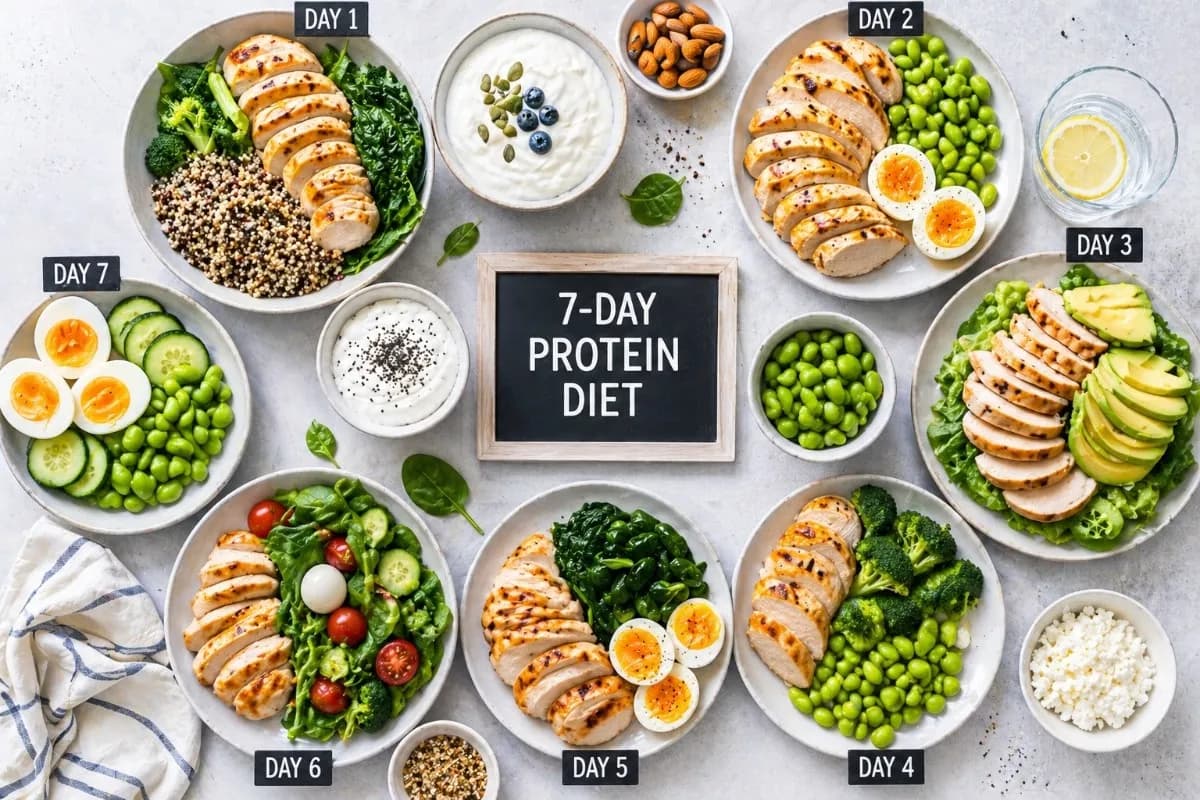
- The Ultimate 7-Day Protein Diet Plan for Weight LossProtein is the most powerful macronutrient for fat loss. This high-protein 7-day meal plan is designed to silence hunger, preserve lean muscle, and boost your metabolism through the thermic effect of food. No more starving—just results.
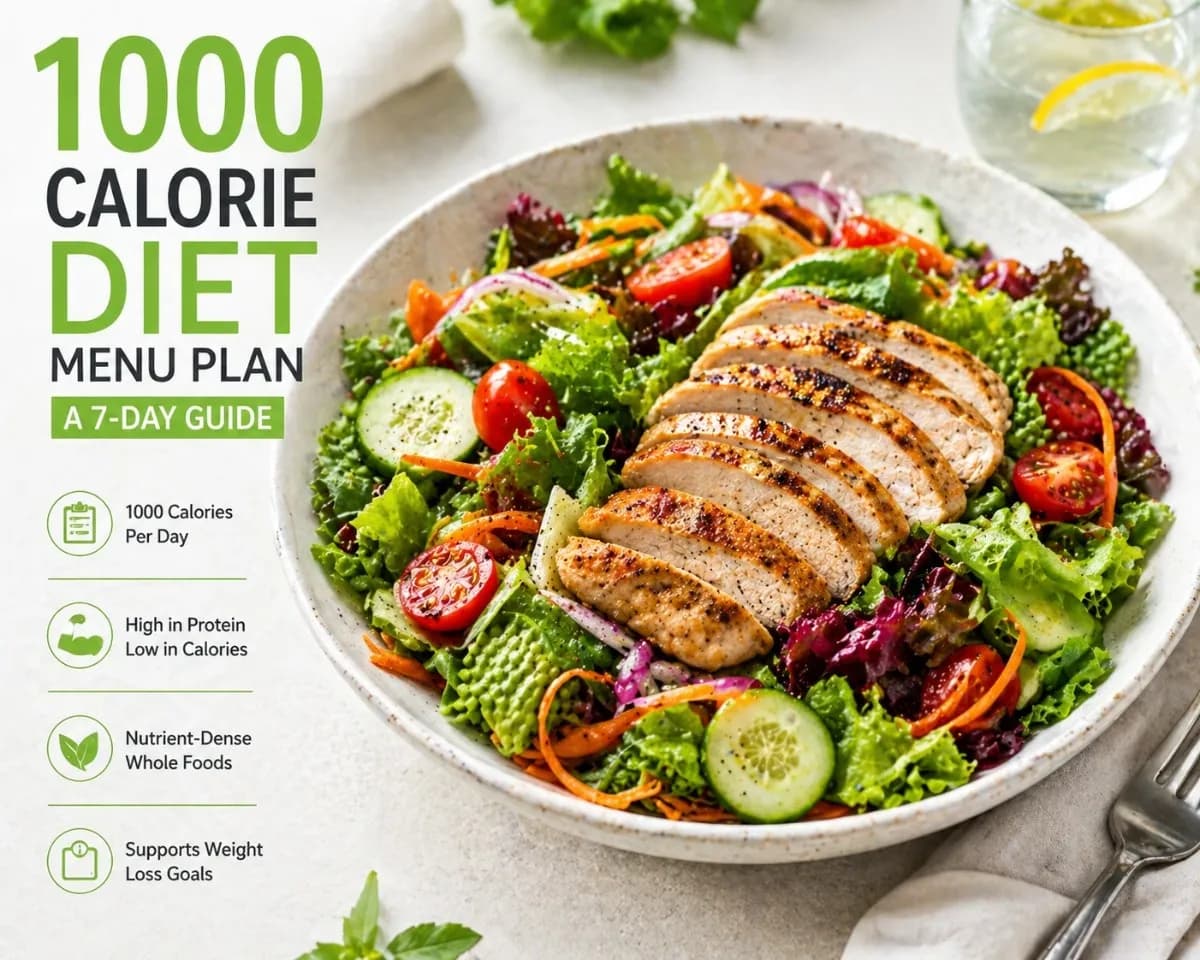
- 1000 Calorie Diet Menu Plan: A 7-Day GuideA 1000 calorie diet is an aggressive approach to weight loss that requires precision and a focus on volume eating. This 7-day guide provides a high-nutrient, low-calorie menu to help you kickstart fat loss safely while maximizing satiety.
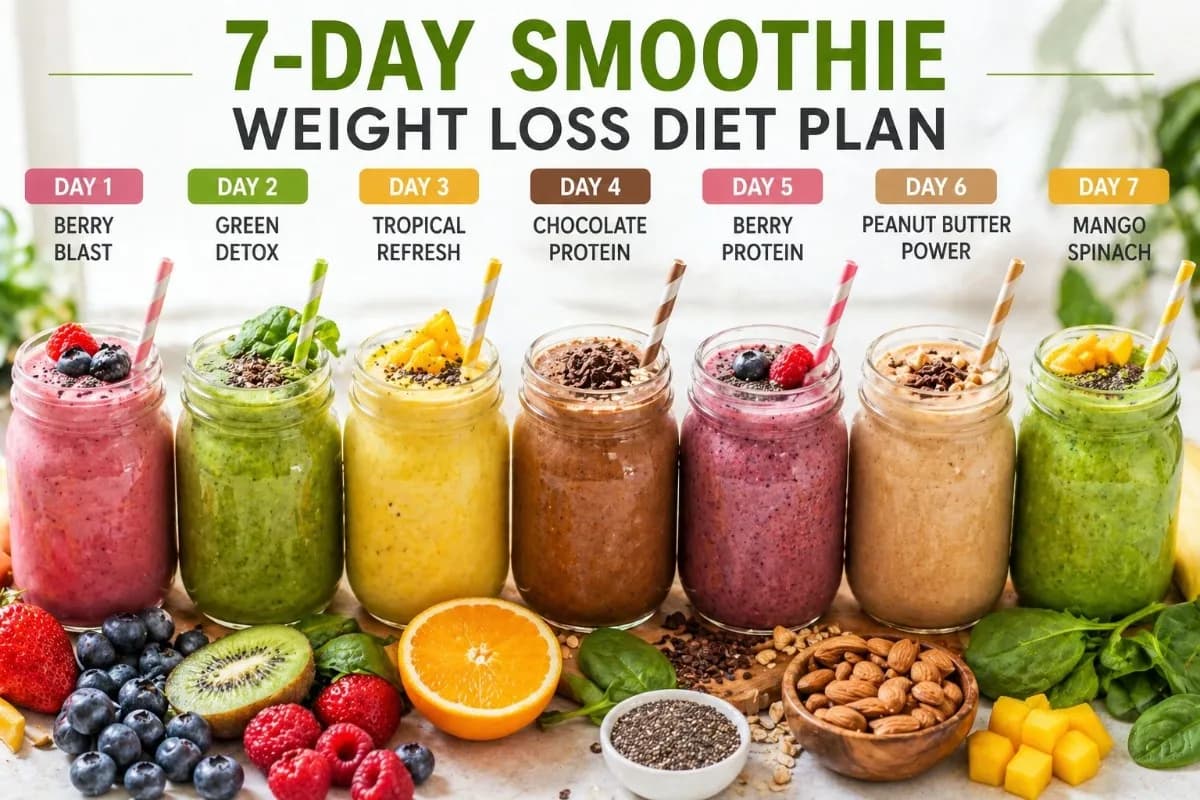
- 7-Day Smoothie Weight Loss Diet Plan (Protein Shake Diet)Remove the decision fatigue from dieting with this 7-day smoothie meal plan. Focus on high-protein, fiber-rich, and healthy fat-loaded blends that keep you full while providing precise portion control for rapid, sustainable weight loss.
- The Original Cabbage Soup Diet 7-Day PlanThe cult classic fat-burning protocol is back. This 7-day cabbage soup diet plan is a short-term metabolic sprint designed for rapid weight loss and detoxification. Includes the original soup recipe and the daily protocol for maximum results.
Final Thoughts: Be Kind to Your Body
Menopause is a massive transition—physically, emotionally, and metabolically. It is a time to nourish your body, not punish it. By following this **menopause meal plan for weight loss**, you are giving your body the specific nutrients it needs to thrive in this new chapter.
Focus on how you *feel*—your energy levels, your sleep quality, and your mood—rather than just the number on the scale. When your hormones are in balance, the weight loss will naturally follow. You've got this!