Bariatric Diet Plan Without Surgery: A Realistic Approach
AI Nutrition Team
AI Meal Recipe Generator
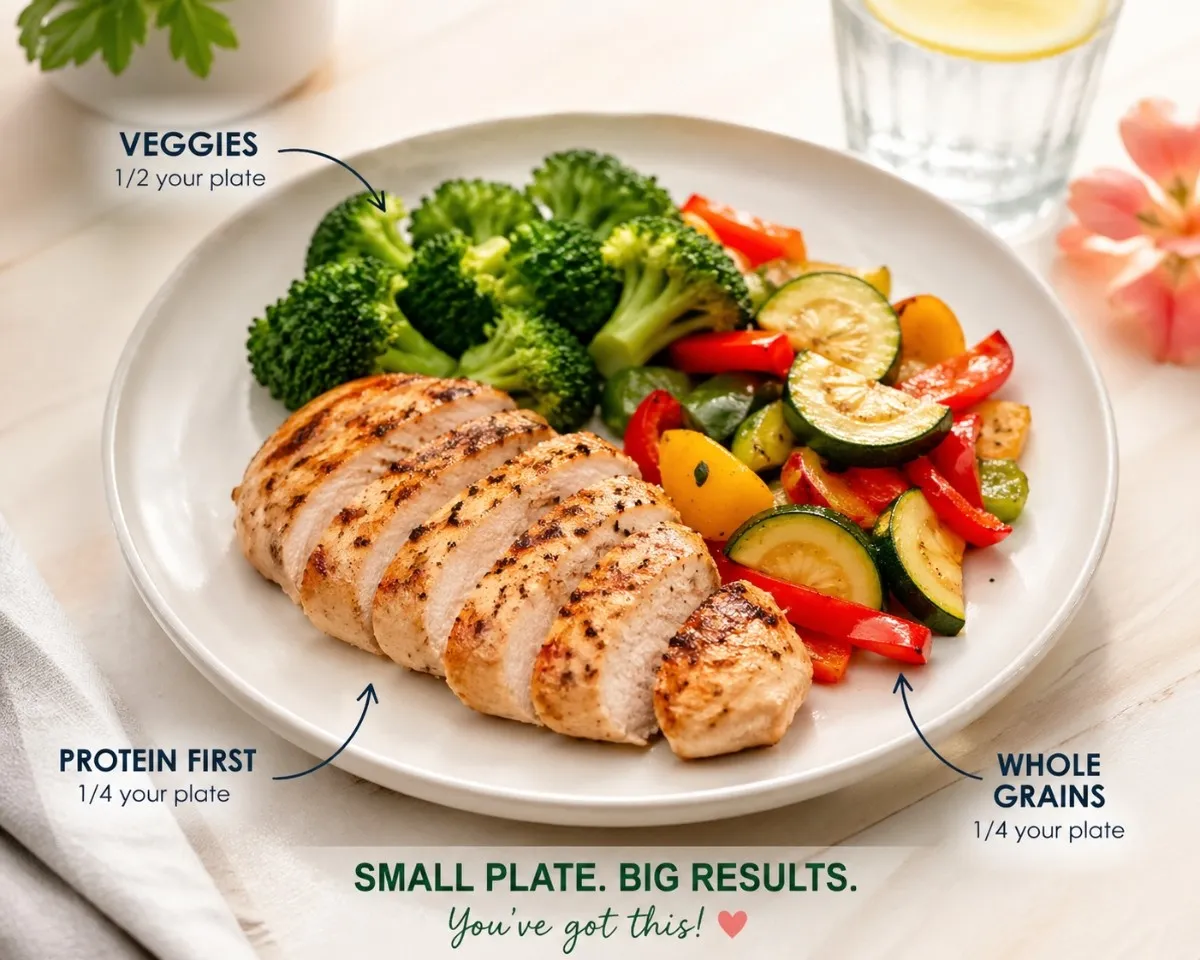
What if you could harness the power of bariatric metabolic hacks without the operating table? This guide explores the 'bariatric lifestyle'—from the 30/30 separation rule to protein-first eating—to help you achieve surgical-level weight loss naturally.
Bariatric surgery (like gastric sleeve or bypass) is often seen as the "final option" for significant weight loss. But have you ever stopped to consider why it works so effectively? Beyond the physical restriction of the stomach, bariatric patients are forced to follow a highly specific, rigorous nutritional protocol that fundamentally changes their relationship with food.
What if you could harness the power of those metabolic and behavioral rules *without* undergoing a major surgical procedure? This is what we call a **bariatric diet plan without surgery**. It is a realistic, disciplined approach to weight loss that uses the same biological "hacks" as surgical patients to achieve dramatic results.
Whether you're looking for a **non surgical bariatric diet plan** to avoid the operating table or a **bariatric style meal plan** to break a long-standing plateau, this guide will show you how to implement the "Bariatric Lifestyle" using your natural stomach. This is **portion control diet plan** at its most advanced level.
The Golden Rules of the Bariatric Lifestyle
The reason bariatric surgery "forces" weight loss is that it punishes bad habits and rewards specific behaviors. By adopting these "Golden Rules" voluntarily, you can trigger the same metabolic shifts.
1. Protein First, Always
In a surgical stomach, space is limited. Patients are taught to eat their protein first. Why? Because protein is the most satiating and preserves muscle. By the time they reach the vegetables or (rarely) the carbs, they are too full to continue. Adopt this: never take a bite of a carb until you have finished at least 3-4 ounces of lean protein.
2. The 30/30 Separation Rule
This is perhaps the most powerful "hack." Do not drink anything 30 minutes before, during, or 30 minutes after a meal. Drinking with a meal "washes" the food out of your stomach faster, making you hungry again much sooner. By keeping the food "dry" in your stomach, you stay full for hours longer.
3. Tiny Bites and 20 Chews
Bariatric patients must chew their food to the consistency of applesauce to prevent blockage. For someone without surgery, this slow eating allows the brain's "fullness signals" (leptin) to catch up with the stomach. Take a bite the size of a pencil eraser and chew it 20 times before swallowing.
Use a Dessert Fork
The Hormonal Symphony of Bariatric Eating: Beyond Calories
The true magic of the bariatric approach lies in its impact on gut hormones, specifically GLP-1 (Glucagon-Like Peptide-1) and PYY (Peptide YY). When you eat solid, dense protein and chew it thoroughly, you maximize the contact time between the food and the hormone-secreting cells in your distal small intestine.
This triggers a massive release of PYY, which sends a "stop eating" signal to the hypothalamus in your brain. Surgical patients experience this naturally because of their altered anatomy, but you can achieve a similar effect by strictly following the "Chew to Applesauce" rule. Slowing down your eating to 20-30 minutes per meal allows these hormones to reach their peak before you've over-consumed calories. This is how you "hack" your brain to feel a level of fullness that traditional "eat less" diets simply cannot provide.
The "Dumping Syndrome" Mechanism: Why Quality Matters
In surgical patients, "Dumping Syndrome" occurs when high-sugar or high-fat foods "dump" too quickly into the small intestine, causing nausea, dizziness, and sweating. While a non-surgical person won't experience this in the same physical way, you can use the *concept* to your advantage.
When you consume refined sugars or "slider foods" on an empty stomach, you cause an massive insulin spike that effectively shuts down your body's ability to burn fat for the next 6-12 hours. By treating sugar as a "toxic trigger"—much like a bariatric patient does—you protect your metabolic environment. This **non surgical bariatric diet plan** relies on the psychological commitment to avoid these triggers, keeping your fat-burning machinery running at 100% capacity.
The Phases of a Non-Surgical Bariatric Reset
To truly reset your "hunger thermostat," we recommend mirroring the surgical recovery phases over the course of 14 days.
Days 1-3: The Liquid Reset
Focus on protein shakes, clear broths, and sugar-free gelatin. This shrinks your liver and resets your insulin sensitivity.
Days 4-7: The Puree/Soft Phase
Introduce soft proteins like cottage cheese, Greek yogurt, scrambled eggs, and slow-cooked (moist) shredded chicken or fish.
Days 8-14: The Solid Bariatric Phase
Transition to solid, dense proteins paired with small portions of non-starchy vegetables.
Your 7-Day Bariatric Style Meal Plan
This plan assumes you have completed the liquid reset and are in the "Solid Bariatric" phase. Portions are intentionally small but nutrient-dense.
Day 1: The Protein Foundation
Focusing on "dry" meals and the 30/30 separation rule.
- BreakfastTwo scrambled eggs with a sprinkle of low-fat cheese. No toast.
- Lunch4oz Grilled Chicken Breast sliced thin. Pair with 1/2 cup steamed green beans. Eat the chicken first!
- Dinner4oz Baked Cod with lemon and herbs. Side of 1/4 cup roasted cauliflower.
- SnackHigh-protein shake (low sugar) or 1/2 cup Greek yogurt.
Day 2: Soft Protein Focus
Incorporating dairy-based proteins for high calcium and satiety.
- Breakfast1/2 cup low-fat cottage cheese with a few slices of fresh peach or berries.
- LunchTuna salad (made with avocado-oil mayo) served in a small bowl. Side of 3-4 cucumber slices.
- Dinner4oz Ground Turkey "Taco" (no shell). Seasoned turkey, salsa, and 1 tbsp Greek yogurt.
- SnackOne hard-boiled egg.
Day 3: Omega-3 Rich Density
Using healthy fats to support the feeling of "fullness."
- BreakfastProtein-enriched oatmeal (1/4 cup) with 1 scoop collagen peptides stirred in.
- Lunch4oz Grilled Salmon. Side of 1/2 cup roasted Brussels sprouts.
- DinnerLean Pork Tenderloin (4oz) with roasted carrots. Chew each bite thoroughly!
- Snack1oz of turkey jerky (low sugar).
Avoid "Slider" Foods
Day 4: Variety and Volume
Ensuring micronutrient variety within the portion limits.
- BreakfastOmelet with spinach and mushrooms (2 eggs). No fruit today.
- LunchChicken Salad (4oz chicken) mixed with 1/4 avocado and celery. Skip the bread.
- DinnerShrimp Scampi (6 large shrimp) sautéed in garlic and olive oil. Side of zucchini noodles.
- Snack1/4 cup ricotta cheese with a dash of cinnamon.
Day 5: The Metabolic Boost
Focusing on lean red meat for iron and B-vitamins.
- Breakfast1/2 cup Greek yogurt with 1 tbsp chia seeds.
- LunchLean Roast Beef (4oz) with mustard and a side of sliced bell peppers.
- Dinner4oz Grilled Flank Steak with steamed asparagus.
- SnackHigh-protein shake.
Day 6: Easy Weekend Prep
Simple, satisfying meals to keep the momentum going.
- BreakfastTwo poached eggs on a bed of sautéed kale. Side of 1/4 avocado.
- LunchLeftover Steak sliced thin over a small green salad.
- DinnerBaked Chicken Thigh (skinless, 4oz) with roasted zucchini.
- Snack1 stick of light string cheese.
Day 7: Summary and Strategy
Rounding out the week and planning for long-term consistency.
- BreakfastProtein Waffle (high protein mix) topped with 1/4 cup Greek yogurt. No syrup.
- LunchCanned Sardines or Tuna (4oz) with a side of raw carrots and cucumbers.
- DinnerMeatloaf (made with lean turkey or beef and almond flour) (4oz) with green beans.
- SnackA handful of walnuts.
The Psychology of Why This Works
Many people fail at dieting because they rely on "starvation." A **pre bariatric style diet** works because it relies on *physiology*.
Taming the Ghrelin Monster
By eating protein first and avoiding "slider" carbs, you keep your ghrelin (hunger hormone) suppressed. When you chew your food to a puree consistency, you stimulate the stretch receptors in your stomach wall more effectively, sending signals to your brain that you are stuffed, even if you've only eaten 400 calories.
The 30/30 Rule and Blood Sugar
When you don't wash your food down with liquids, the gastric emptying rate slows down. This leads to a much slower and more stable rise in blood sugar, preventing the "crash" that usually leads to mid-afternoon sugar cravings.
Personalizing Your Bariatric Protocol
The bariatric lifestyle is extremely effective, but it can be socially difficult. "Why aren't you drinking anything with your meal?" is a question you'll hear often. It also requires precise macro-tracking to ensure you don't become nutrient deficient on such small portions.
The AI Meal Recipe Generator is designed to handle the "Bariatric Math" for you. You can tell it: "I want to follow a non-surgical bariatric plan, I need 90g of protein per day, but I want my meals to be under 400 calories each." The AI will generate recipes that are specifically designed for high-density nutrition in small volumes, ensuring you lose weight safely and effectively without ever feeling "deprived."
Stop guessing what's for dinner
Join thousands of others turning whatever is in their fridge into delicious, macro-friendly meals in under 30 seconds.
Frequently Asked Questions (FAQ)
Can I ever drink with my meals again?
For the initial weight loss phase, we recommend sticking to the 30/30 rule strictly. Once you have reached your goal weight and are in maintenance, you may reintroduce small amounts of liquid, but never "chug" water with a meal. The goal is to maintain the "satiety habit" for life.
Do I need to take bariatric-specific vitamins?
While you don't have the same malabsorption issues as a surgical patient, you are eating significantly fewer calories and less total food volume. This makes a high-quality multivitamin and potentially an Iron or B12 supplement a very good idea. Always get regular blood work to ensure your levels are optimal.
What if I have a social event at a restaurant?
Restaurants are the "Final Boss" of the bariatric lifestyle. Order a "double protein" option (like a steak or grilled fish) and ask for double steamed vegetables instead of the potato or rice. Drink your water while waiting for the food, then put the glass away as soon as the plate arrives. Most people won't even notice if you don't make a big deal out of it.
Explore more in Weight Loss & Calorie Control
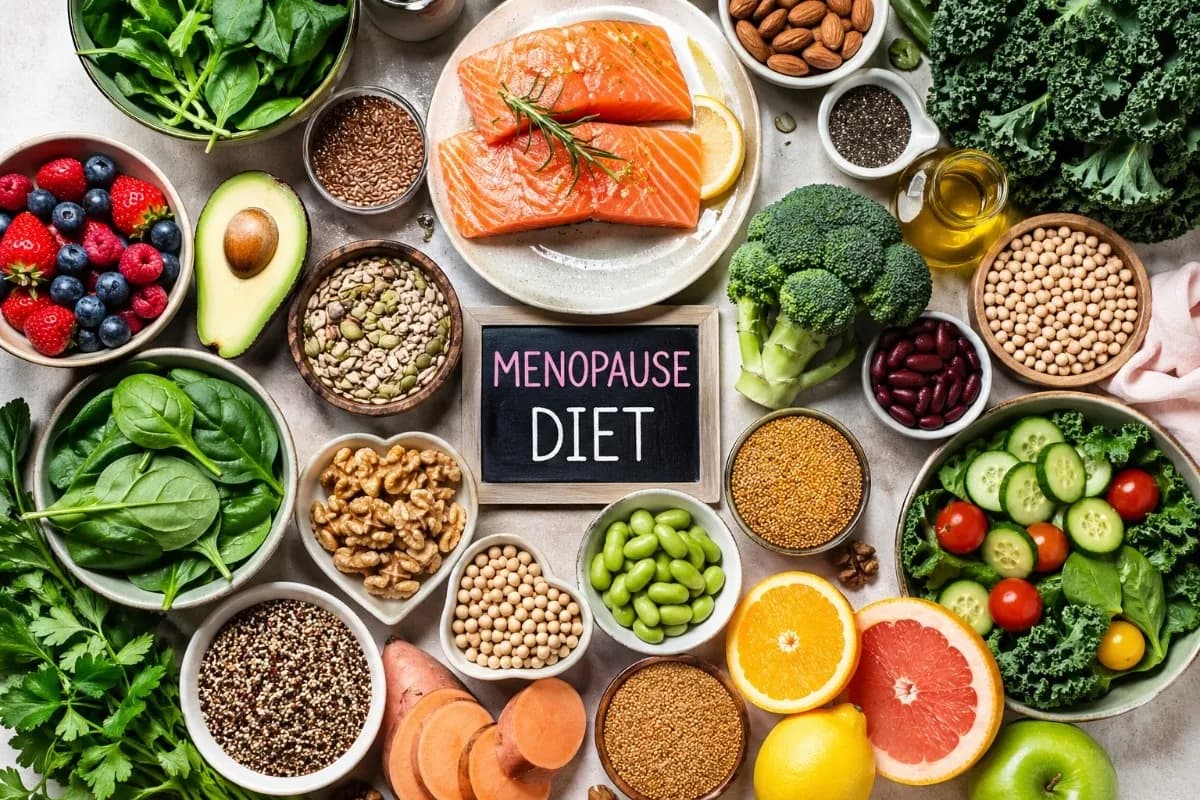
- The Menopause Diet 5-Day Plan to Lose Weight (Printable PDF)Menopause feels like a metabolic betrayal, but it's actually a hormonal shift that requires a new strategy. This 5-day menopause diet plan is designed to stabilize blood sugar, protect muscle mass, and help you lose weight while working with your body's changing biology.
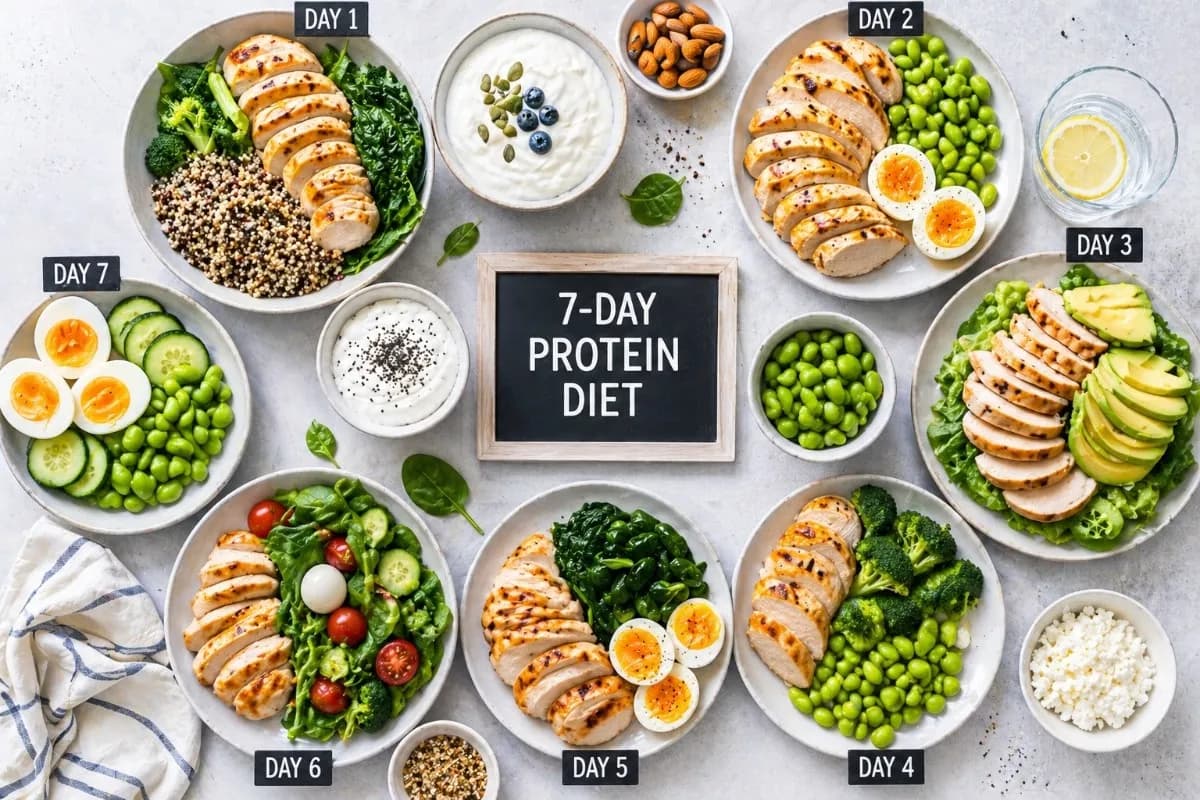
- The Ultimate 7-Day Protein Diet Plan for Weight LossProtein is the most powerful macronutrient for fat loss. This high-protein 7-day meal plan is designed to silence hunger, preserve lean muscle, and boost your metabolism through the thermic effect of food. No more starving—just results.
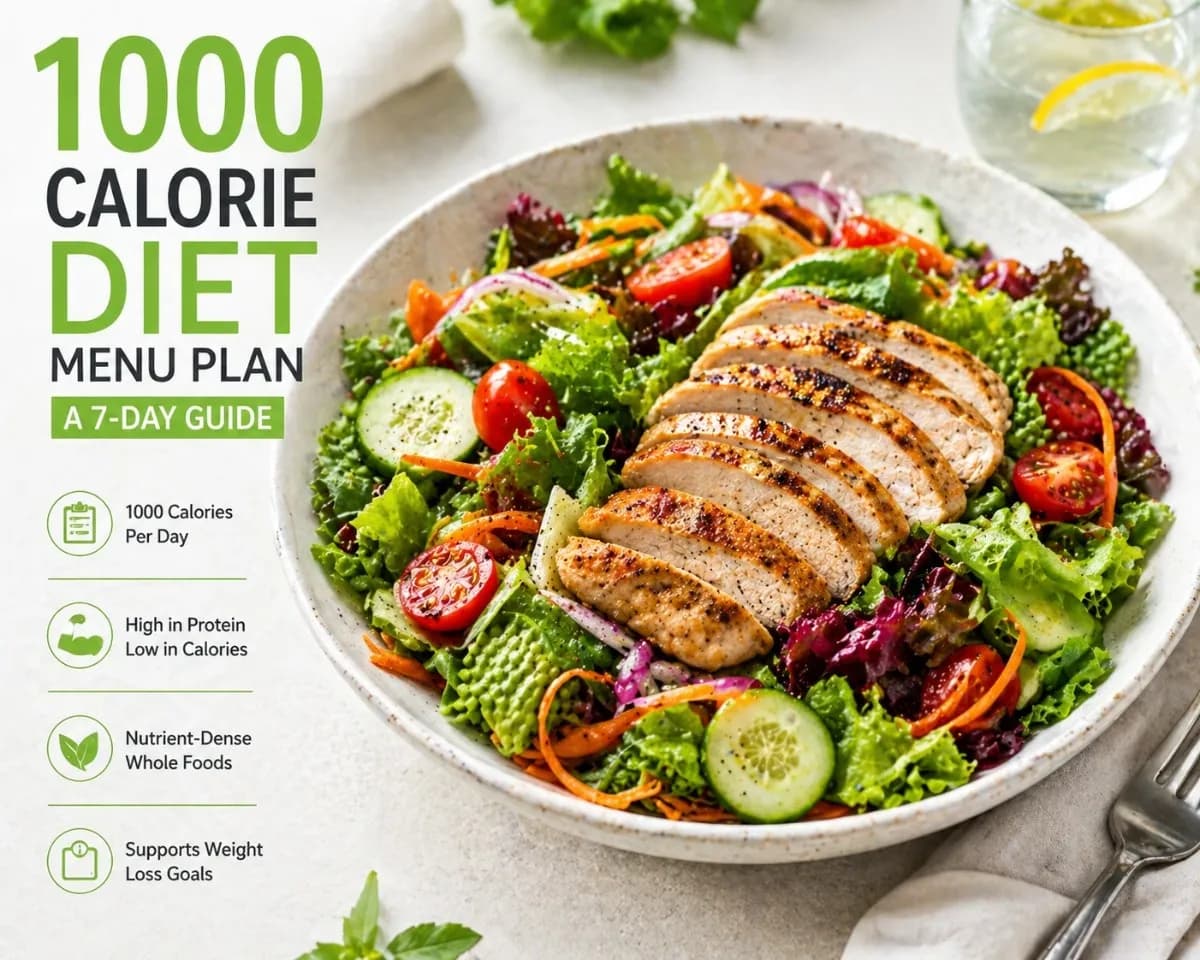
- 1000 Calorie Diet Menu Plan: A 7-Day GuideA 1000 calorie diet is an aggressive approach to weight loss that requires precision and a focus on volume eating. This 7-day guide provides a high-nutrient, low-calorie menu to help you kickstart fat loss safely while maximizing satiety.
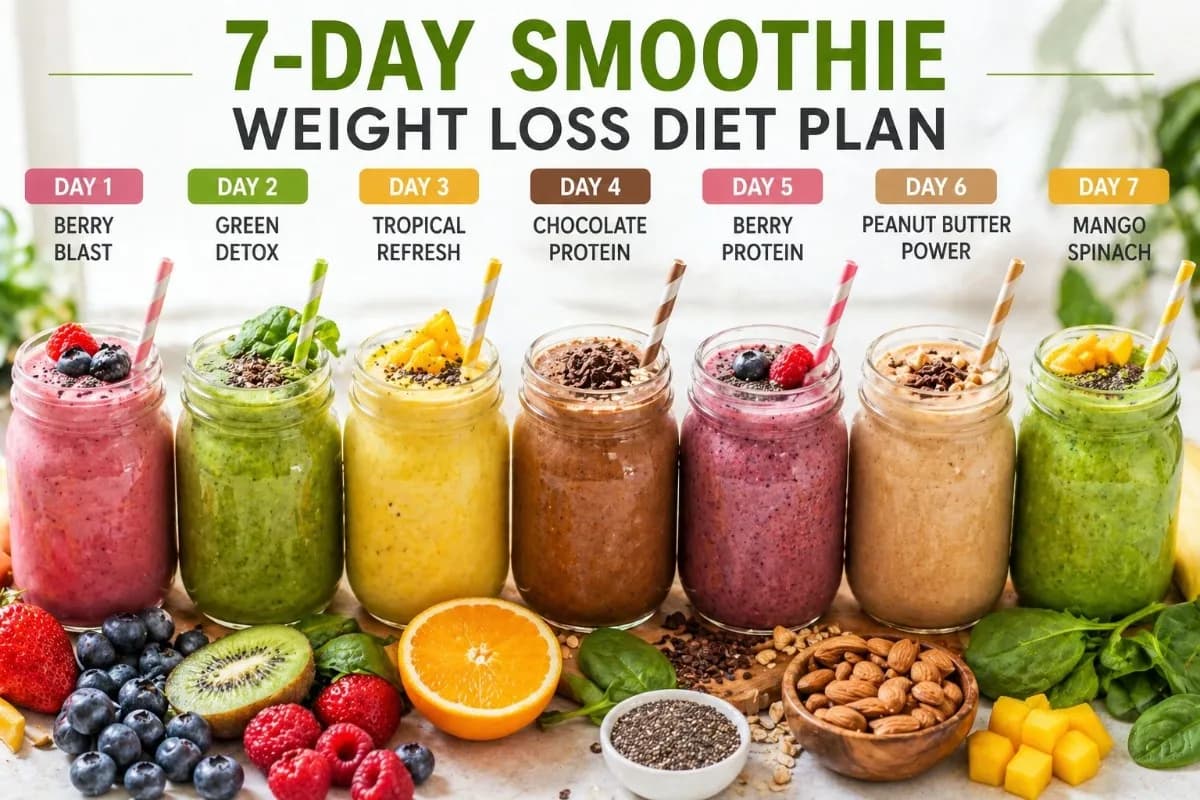
- 7-Day Smoothie Weight Loss Diet Plan (Protein Shake Diet)Remove the decision fatigue from dieting with this 7-day smoothie meal plan. Focus on high-protein, fiber-rich, and healthy fat-loaded blends that keep you full while providing precise portion control for rapid, sustainable weight loss.
Conclusion: Taking Control Without the Scalpel
Choosing a **bariatric diet plan without surgery** is a commitment to a new way of living. It isn't a 30-day challenge; it is a masterclass in behavioral nutrition.
By adopting the rules of "Protein First," the "30/30 Separation," and the "20 Chews," you are giving your body the exact same metabolic environment as a surgical patient. The results can be just as profound, and the best part is that *you* are the one in total control of the journey. Start with one meal tomorrow—chew slowly, eat your protein first, and put the glass of water away until 30 minutes after you've finished. You'll be amazed at how satisfied you feel!