Muscle Gain Diet Plan 7 Days: Formulate Your Macros
AI Nutrition Team
AI Meal Recipe Generator
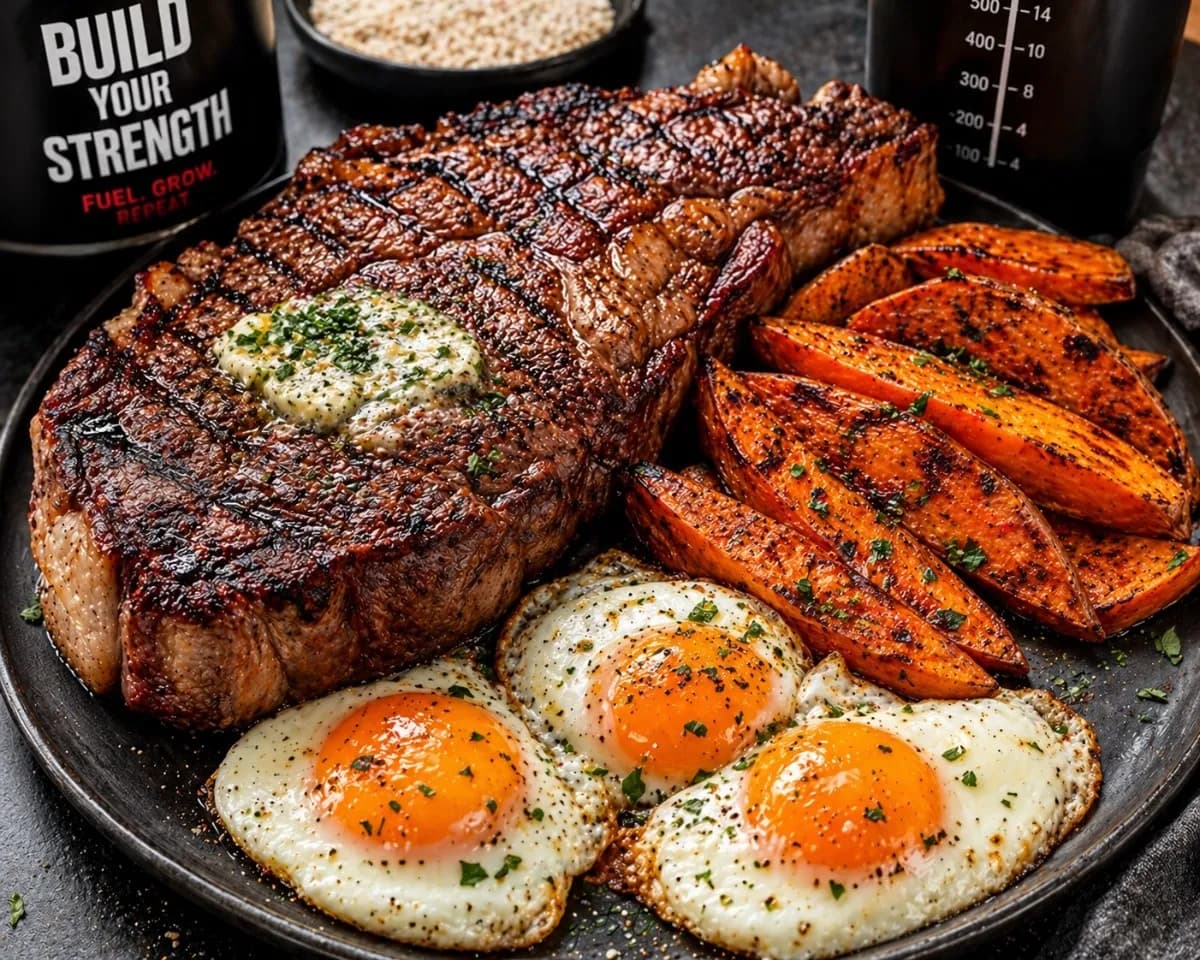
Building muscle requires more than just lifting—it requires a strategic caloric surplus and precise macro balancing. This 7-day guide provides a high-protein, energy-dense meal plan to fuel your gains while minimizing fat accumulation.
While most of the world is obsessed with seeing a smaller number on the scale, there is a dedicated group of people who want the exact opposite: they want to grow. But building muscle isn't just about eating "more"—it's about eating *strategically*.
If you eat a massive calorie surplus of junk food, you'll certainly get bigger, but most of that growth will be body fat. True "lean bulking" requires a precise balance of macronutrients to ensure your body has the raw materials it needs to repair muscle tissue after intense training sessions.
This **muscle gain diet plan 7 days** is designed to take the guesswork out of your "bulking" phase. We've built a **7-day muscle gain meal plan** that focuses on high-quality protein, complex carbohydrates for fuel, and healthy fats for hormonal support. Whether you need a **high protein muscle gain diet** or a comprehensive **muscle building meal plan**, this guide will help you formulate the perfect macros for growth.
The Pillars of Muscle Protein Synthesis
To build muscle, you must be in a "hypertrophic environment." This means your body needs three things simultaneously: a stimulus (resistance training), adequate recovery (sleep), and a nutritional surplus.
1. The "Lean" Calorie Surplus
You don't need 5000 calories to build muscle unless you're a professional bodybuilder. For most people, a "lean bulk" involves eating 250-500 calories above your maintenance level (TDEE). This is enough to fuel growth while minimizing fat gain.
2. The Protein Threshold
Muscle is made of protein. To stay in a "positive nitrogen balance," you should aim for 0.8g to 1.2g of protein per pound of body weight. This provides a constant stream of amino acids (specifically Leucine) to trigger muscle protein synthesis throughout the day.
3. Carbs are the "Sparing" Nutrient
Carbohydrates are often feared in weight loss circles, but in a **muscle gain diet**, they are essential. Carbs replenish muscle glycogen (your fuel for lifting) and trigger an insulin response, which is highly anabolic and helps transport nutrients into the muscle cells.
Don't Ignore Fats
The Science of mTOR: The Body's Growth Switch
To build muscle, you must activate a specific signaling pathway in your cells known as mTOR (Mammalian Target of Rapamycin). Think of mTOR as your body's "construction manager." When mTOR is activated, it signals the cell to start protein synthesis and grow.
There are two primary ways to flip the mTOR switch: mechanical tension (lifting heavy weights) and nutritional signals (specifically amino acids and insulin). The amino acid Leucine is the most potent activator of mTOR. This is why our **high protein muscle gain diet** focuses on animal-based proteins—they have the highest concentration of Leucine. By eating enough protein to hit the "Leucine Threshold" 4-5 times a day, you are keeping the "construction manager" on the clock 24/7, maximizing your growth potential.
Insulin: The Most Anabolic Hormone You're Afraid Of
In the weight loss world, insulin is often portrayed as the villain. But in a **muscle building meal plan**, insulin is your best friend. Insulin is "anabolic," meaning it promotes the storage and growth of tissues. Its primary job is to transport glucose and amino acids out of the bloodstream and into the muscle cells.
By strategically consuming complex carbohydrates (like rice, oats, and potatoes), you trigger a controlled insulin response. This "opens the door" to your muscle cells, allowing the protein you've eaten to be used for repair rather than being oxidized for energy. This is why "keto bulking" is often less effective than a traditional high-carb bulk—you are missing out on the powerful anabolic "shuttling" effect of insulin.
Muscle Gain Diet Plan: Your 7-Day Guide
This plan is designed for an active individual (lifting 4-5 days a week) looking to gain lean mass. Adjust portions based on your specific body weight and activity level.
Day 1: High-Volume Hypertrophy
Focusing on complex carbs to fuel a heavy leg or back day.
- Breakfast4 whole eggs, 1 cup cooked oatmeal with 1 scoop whey protein stirred in, and 1/2 cup blueberries.
- Lunch8oz Grilled Chicken Breast, 1.5 cups Brown Rice, and 1 cup steamed Broccoli. 1/4 Avocado.
- Dinner8oz Lean Ground Beef (93/7) mixed with 2 cups whole wheat pasta and sugar-free marinara sauce.
- Pre/Post WorkoutPre: 1 Banana. Post: 1 scoop Whey Protein + 1 cup Skim Milk.
Day 2: Recovery and Growth
Prioritizing Omega-3s for reduced muscle soreness.
- Breakfast1 cup Greek Yogurt (full fat), 1/4 cup granola, 1 tbsp chia seeds, and 1 scoop collagen.
- Lunch8oz Baked Salmon, 1 large Sweet Potato, and massive serving of roasted Asparagus.
- Dinner8oz Roasted Turkey Breast, 1 cup Quinoa, and sautéed Green Beans with almonds.
- SnackHandful of walnuts and 1 stick of string cheese.
Day 3: Mid-Week Power
High-calorie density to keep energy levels high during training.
- Breakfast3 slices Whole Grain Toast, 1/2 Avocado (mashed), and 4 hard-boiled eggs.
- Lunch8oz Grilled Steak, 1 cup White Rice, and a large side of sautéed Mushrooms and Onions.
- Dinner8oz Shrimp sautéed in olive oil and garlic, served over 1.5 cups whole grain Couscous and Zucchini.
- Post-WorkoutProtein Shake + 1/2 cup Cream of Rice.
The Sleep-Growth Connection
Day 4: Lean Mass Focus
Sustaining blood sugar for a long, high-volume chest/arm day.
- BreakfastSmoothie: 2 scoops protein, 1 cup oats (blended), 2 tbsp peanut butter, 1 cup almond milk, 1 cup spinach.
- Lunch8oz Canned Tuna (in water), 1 cup Chickpeas (garbanzo beans), mixed greens, and olive oil dressing.
- Dinner8oz Baked Cod or Tilapia, 1 large Potato (baked/boiled), and massive serving of Spinach.
- Snack1/2 cup Cottage Cheese with sliced pineapple.
Day 5: Red Meat and Strength
Utilizing creatine-rich beef for a powerlifting-focused session.
- BreakfastOmelet: 4 eggs, 2oz shredded cheese, ham, and peppers. Side of 1 cup hash browns (cooked in olive oil).
- Lunch8oz Ground Bison or Lean Beef, 1.5 cups Rice, and steamed Cauliflower.
- Dinner8oz Roasted Chicken Thighs (skin on), 1 cup roasted Carrots, and a side of Peas.
- Post-Workout2 scoops Whey Protein + 1 medium Apple.
Day 6: Weekend Surplus
Ensuring you don't under-eat during your days off.
- BreakfastProtein Pancakes: 1/2 cup oats, 1/2 cup cottage cheese, 2 eggs, 1 scoop protein. Top with 1 tbsp peanut butter.
- LunchLarge Turkey Sandwich on whole grain bread with avocado, cheese, and 6oz turkey. Side of Greek yogurt.
- DinnerHomemade Pizza: Whole wheat crust, loaded with lean ground beef/chicken and extra veggies.
- SnackA handful of trail mix (nuts/seeds/dark chocolate).
Day 7: The Prep and Repair
Focusing on digestion and preparing for the next week of training.
- Breakfast4 scrambled eggs with smoked salmon. 1 cup cooked grits or oatmeal.
- Lunch8oz Grilled Chicken over a massive Burrito Bowl: Rice, black beans, salsa, and guacamole.
- DinnerSlow-Cooker Pot Roast (8oz lean beef), carrots, and a small side of mashed potatoes.
- Before Bed1 scoop Casein Protein or 1 cup Greek Yogurt (for slow-release aminos overnight).
Nutritional Strategies for Maximum Gain
A **bulking diet plan** is only as good as its execution. Here are three advanced tips to ensure your surplus goes to muscle, not fat:
The Pre-Workout "Intra" Strategy
Eating a fast-digesting carb (like a banana or a rice cake) 30 minutes before your workout ensures your blood glucose is high, preventing your body from breaking down muscle for energy during the lift.
Don't Skip the Fiber
Many people on a **muscle building meal plan** eat so much meat and rice that they neglect fiber. This leads to poor gut health and systemic inflammation, which can actually hinder muscle growth. Always include 2-3 cups of green vegetables daily.
Creatine: The Only "Must-Have" Supplement
Creatine monohydrate is the most researched supplement in history. It helps your muscles produce energy during heavy lifting and draws water into the muscle cell, creating a more anabolic environment. 5 grams a day, every day, is the standard.
Personalizing Your Growth Phase
The "hardgainer" needs a very different plan than the person who naturally carries more body fat. Calculating your specific TDEE and then adding the "anabolic surplus" is where most people get stuck.
The AI Meal Recipe Generator can handle the math for you. You can tell the app: "I"m 180 lbs, I lift 5 days a week, I want to gain 0.5 lbs of muscle per week, and I need 200g of protein." The AI will generate a customized **7-day muscle gain meal plan** with the exact calorie and macro targets you need to grow without the unwanted fat gain.
Stop guessing what's for dinner
Join thousands of others turning whatever is in their fridge into delicious, macro-friendly meals in under 30 seconds.
Frequently Asked Questions (FAQ)
Can I gain muscle while losing fat (Body Recomposition)?
Yes, but it is a slower process and usually only effective for beginners or those returning from a long break. This requires eating at "maintenance" calories while keeping protein very high (1.2g+ per lb) and training intensely. For most intermediate lifters, a dedicated "bulk" phase followed by a "cut" phase is more efficient.
Is whey protein necessary for muscle gain?
No, it is just a convenient tool. You can get all the protein you need from whole foods like chicken, beef, eggs, and fish. However, whey is helpful because it is fast-digesting, making it ideal for the immediate post-workout window when you want to spike amino acid levels quickly.
What if I miss a meal?
Consistency over 24 hours is more important than the timing of any single meal. If you miss a meal, simply add those calories and protein to your next meal or have a larger snack before bed. Don't let one missed meal derail your entire day—just hit your total targets by the time you go to sleep.
Explore more in Weight Loss & Calorie Control
- The Menopause Diet 5-Day Plan to Lose Weight (Printable PDF)Menopause feels like a metabolic betrayal, but it's actually a hormonal shift that requires a new strategy. This 5-day menopause diet plan is designed to stabilize blood sugar, protect muscle mass, and help you lose weight while working with your body's changing biology.
- The Ultimate 7-Day Protein Diet Plan for Weight LossProtein is the most powerful macronutrient for fat loss. This high-protein 7-day meal plan is designed to silence hunger, preserve lean muscle, and boost your metabolism through the thermic effect of food. No more starving—just results.
- 1000 Calorie Diet Menu Plan: A 7-Day GuideA 1000 calorie diet is an aggressive approach to weight loss that requires precision and a focus on volume eating. This 7-day guide provides a high-nutrient, low-calorie menu to help you kickstart fat loss safely while maximizing satiety.
- 7-Day Smoothie Weight Loss Diet Plan (Protein Shake Diet)Remove the decision fatigue from dieting with this 7-day smoothie meal plan. Focus on high-protein, fiber-rich, and healthy fat-loaded blends that keep you full while providing precise portion control for rapid, sustainable weight loss.
Conclusion: Growth Requires Patience
Building high-quality muscle is a slow process. It requires more discipline to eat your meals when you aren't hungry than it does to skip meals when you are.
Follow this **muscle gain diet plan 7 days** as your foundation. Track your lifts in the gym and your weight on the scale. If your strength is going up and your weight is slowly increasing, you are on the right track. Trust the process, eat your protein, and give your body the fuel it needs to become the best version of itself!